


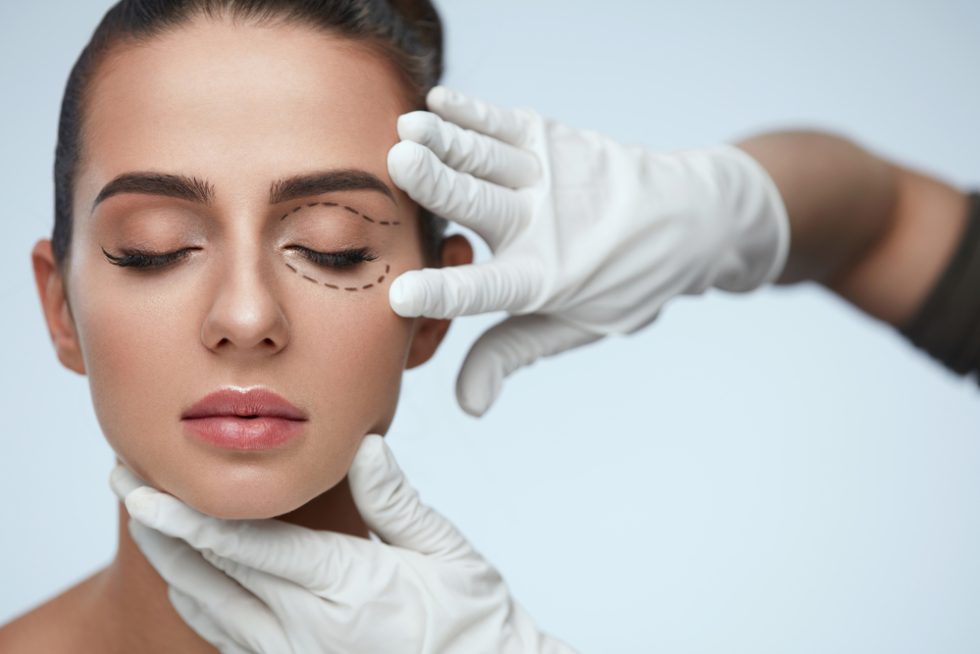
Droopy eyelids are one of those concerns that tend to appear gradually. Even though they might not pose any serious problems, the tired and aged look they create can significantly affect your confidence and appearance.
The common approach to fixing a droopy eyelid is surgery, but for many people, the idea of surgery feels like a big step. The good news is that there are now several non-surgical treatment options that can make a noticeable difference, depending on what is causing the drooping in the first place.
Why Do Eyelids Droop?
There is not just one reason why eyelids begin to droop. It is usually caused by a combination of changes affecting the skin, muscles and surrounding structures.
Loose Skin
One of the most common causes of drooping eyelids is loose or excess skin on the upper eyelid.
As we age, the skin loses collagen and elasticity and does not snap back in the way it once did. Over time, it can begin to fold and hang over the eyelid, creating a heavy or hooded appearance. You can learn more about how to reduce the visible signs of skin ageing.
This type of drooping is often gradual and may become more noticeable when applying makeup or under certain types of lighting.
Heavy Brows
The position of the eyebrows can also affect how the upper eye area looks. As the brows begin to drop with age, they can push down on the upper eyelid, making it appear heavier and causing the upper eyelid to look droopy.
In this case, the eyelid is not necessarily the problem. Instead, the appearance may be caused by a lack of support from above.
Muscle Weakness
The structures around the eyes are supported by muscles that can weaken over time with age. The primary muscle responsible for lifting the eyelid is the levator muscle.
When this muscle weakens, the eyelids may not open as fully as they once did, giving you a tired or partially closed appearance even when you are well-rested and fully alert.
Why Creams Do Not Work
One of the interventions many people try when they notice a droopy eyelid is using creams that claim to address the problem. Although these creams may feel like a natural place to start when you first notice drooping, they do not always work for several reasons.
This is because creams only work on the surface of the skin. They can hydrate the skin and temporarily improve the appearance of fine lines, but they do not reach the deeper layers where the structural changes occur.
Droopy eyelids are usually caused by structural changes. Loss of collagen, muscle weakness and changes in tissue position cannot be reversed with topical products.
Some creams may provide a slight tightening effect for a short period, but this is temporary and does not address the underlying issue. That is why more targeted treatments are often needed to create a meaningful difference. A professional skincare consultation can help determine whether skincare or an in-clinic treatment is more appropriate.

Droopy Eyelid Treatments That Work
There are several non-surgical treatments you can consider that may help improve the appearance of droopy eyelids. The right option depends on what is causing the issue and how advanced it is. Some of the available options include the following:
The Chemical Lift with Botox
Botox or anti-wrinkle injections are often among the first treatments considered for droopy eyelids, especially when the position of the brows contributes to the problem. It is a non-surgical procedure that may effectively improve the appearance of mild eyelid heaviness caused by low brows.
How It Works
Botox is injected into specific muscles around the eyebrows. These injections relax the muscles that pull the brows downwards. As a result, the opposing muscles can lift the brows slightly, helping to open the eye area. This is often referred to as a “chemical brow lift”.
Benefits
One of the main advantages of Botox is how quick and straightforward the treatment is. There is minimal downtime involved, and you can begin to see results within a few days.
The results are subtle but noticeable. The eyes can appear more open, and the upper eyelid may look less heavy.
Another benefit of Botox is that the results are not permanent. If you are happy with the outcome, maintenance treatments can help preserve the results.
What to Expect
Getting a chemical lift is relatively straightforward. The procedure involves having a few small injections around targeted areas near the brows. This usually takes only a few minutes, and the results begin to appear over the following days.
You can read more about how long Botox takes to settle and when the final results are usually visible.
The effects typically last around three to four months, after which maintenance treatments may be needed.
Plasma Technology
Plasma technology is a more targeted approach that may be suitable when a droopy eyelid is caused by loose skin.
How It Works
This treatment involves using a small device to create tiny, controlled micro-injuries on the surface of the skin. These micro-injuries stimulate collagen production and cause the skin to contract as it heals, reducing the loose appearance of the skin.
Benefits
Like Botox, plasma treatment is a non-surgical procedure, but it is particularly focused on tightening loose skin on the upper eyelid.
The procedure does not involve surgery but may still produce a noticeable tightening effect in the treated area, helping to reduce the appearance of droopy eyelids.
What to Expect
You should expect some downtime after plasma treatment, although it is not usually extensive. It is common for the treated area to develop small scabs that can take several days to heal, after which the skin may appear tighter and more refined.
The results of this treatment can continue to improve as collagen builds over time.
Endolift Laser
Endolift is a more advanced, minimally invasive option that may help improve skin laxity in suitable areas.
How It Works
This treatment involves using a very fine fibre that is inserted just beneath the skin to deliver laser energy directly to the targeted area. The energy helps stimulate collagen production, which tightens the skin from within.
Benefits
Endolift works more deeply than surface-level treatments, which may make it suitable for more noticeable or advanced skin laxity.
It can improve skin laxity and the overall contour of the treated area. Because it is minimally invasive, the procedure is generally associated with less downtime than surgery.
What to Expect
The procedure is minimally invasive but still relatively comfortable. There may be mild swelling after treatment, which usually settles without difficulty, and downtime is generally limited.
The results develop gradually and may last longer than those produced by lighter treatments. Learn more about how long Endolift results may last.
Morpheus8
Morpheus8 combines two well-known treatments: microneedling and radiofrequency energy. These two technologies work together to improve the appearance of the skin and reduce drooping caused by skin laxity.
How It Works
The Morpheus8 procedure uses tiny needles that penetrate the skin while delivering heat into its deeper layers. This stimulates collagen production and tightens the skin at multiple levels, helping to improve drooping caused by skin laxity.
Benefits
Morpheus8 is a versatile treatment that improves skin texture, tightens loose skin and enhances overall skin quality.
It can be particularly useful when drooping is combined with other concerns, such as fine lines or uneven texture. Other approaches may also be considered as part of a personalised plan for fine lines and wrinkles.
What to Expect
There may be some redness and sensitivity for a few days after treatment, and the results are not immediate. You should allow time for the results to develop as collagen production increases.
Multiple sessions are often recommended for the best outcome. You can also read more about how long Morpheus8 results last.

Do You Need Surgery for Droopy Eyelids?
Although some practitioners may recommend surgery depending on the extent of the condition, surgery is not always necessary.
For mild to moderate drooping, non-surgical treatments can provide noticeable improvements. They work by tightening the skin, lifting the brows or stimulating collagen. The most appropriate option will depend on whether the drooping is caused by the skin, brow position or eyelid muscle.
However, in more advanced cases where there is significant excess skin or muscle weakness, surgery may be the most effective option.
Blepharoplasty, or eyelid surgery, removes excess skin and repositions tissue to create a more defined eyelid.
That said, many people prefer to try non-surgical options first. They are less invasive, involve less downtime and may still offer meaningful results. You can explore further options in our guide to the best skin tightening treatments.
Can You Stop a Droopy Eyelid from Forming?
Although you cannot completely prevent ageing, there are ways to slow down the process.
Protecting your skin from the sun is one of the most important steps. UV exposure accelerates collagen breakdown, which contributes to sagging.
A good skincare routine can also help maintain skin quality. Products that support hydration and collagen can improve the overall condition of the skin.
Lifestyle factors such as getting enough sleep, managing stress and maintaining a balanced diet all contribute to healthier skin and may reduce the likelihood of developing premature skin laxity.
Early treatment can also make a difference. Addressing mild changes before they progress can help maintain a more youthful appearance for longer.
A Subtle Lift Without Surgery
Droopy eyelids are a common concern, but they do not always require surgery to improve. With the right approach, non-surgical treatments can lift, tighten and refresh the eye area in a way that looks natural and balanced.
The key is understanding what is causing the drooping and choosing a treatment that addresses that specific issue.


