


When you start noticing imperfections around your face, especially due to ageing, the area around the eyes is often one of the first places to show signs. Crow’s feet and eye bags are among the first concerns to appear, but eye bags can be more noticeable and therefore more concerning.
Eye bags can also form for many reasons other than ageing, making it important to manage them to avoid the tired appearance they can give your face. In this guide, we discuss everything you need to know about eye bags, including how to manage and treat them.
What Are Eye Bags?
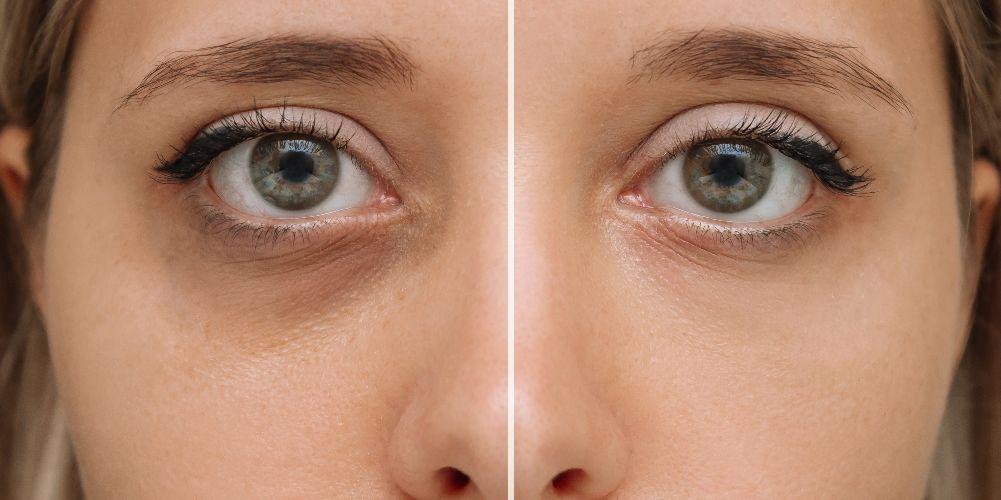
Eye bags are areas of swelling, puffiness, bulging or heaviness that occur around the lower eyelids. They can be mild and temporary or more visible and persistent, depending on the cause.
Most people notice eye bags when they wake up, during stressful periods or, in some cases, after eating salty foods. Eye bags can affect your appearance, giving you a tired, aged or heavy look. In some cases, eye bags may be accompanied by dark circles, volume loss or loose skin around the eyes.
What Are the Causes of Eye Bags?
Different factors can contribute to the formation of eye bags, and each factor can affect their development, duration and severity. Some of the common causes of eye bags include:
Ageing
Ageing is one of the most common reasons eye bags become more noticeable. As you get older, the skin beneath your eyes becomes thinner, and the tissue that supports the skin around the eyes becomes weaker, making eye bags more likely to appear.
Age-related eye bags often develop gradually and may begin with mild puffiness before deepening into folds, shadows or heaviness as the skin and underlying support structures continue to change. These changes may also make under-eye wrinkles more noticeable.
Genetics
Genetics can also contribute significantly to the formation of eye bags. If your parents or close relatives have eye bags, there is a greater chance that you will develop them as well. In genetic cases, eye bags can form earlier and may be more difficult to improve through lifestyle changes and skincare treatments.
Orbital Fat Protrusion
Orbital fat is the natural fat that cushions and protects the eye. Over time, or due to inherited facial structure, this fat can become more visible beneath the lower eyelid, creating a rounded bulge under the eye.
When eye bags are caused by orbital fat protrusion, the issue is more structural and may not improve through lifestyle changes, sleep or creams. More advanced interventions may be necessary to improve their appearance.
Lifestyle
Lifestyle habits can also contribute to the formation of eye bags, which may appear as puffiness that comes and goes. Long working hours, dehydration, a poor diet, prolonged screen time and irregular routines are all lifestyle factors that can contribute to eye bags.
Lifestyle adjustments can help improve their appearance. However, if underlying structural issues are also present, lifestyle changes may provide only limited improvement or may not work at all.
Lack of Sleep
Poor sleep is one of the most common triggers for eye bags. When you do not sleep well, fluid can collect around the eyes, and the skin may look paler or less refreshed, making the eye bags more prominent.
Eye bags linked to a lack of sleep often improve with better sleep. However, if the puffiness remains even after a good night’s rest, you may need to consider another cause.
Volume Loss
Age-related volume loss in the mid-face and tear trough areas can make eye bags look worse. When treating eye bags caused by volume loss, attention should also focus on improving the skin’s structure and support to achieve an effective improvement in their appearance.
In suitable cases, tear trough fillers may be considered to restore volume and smooth the transition between the lower eyelid and cheek.
Cigarette, Alcohol and Salt Intake
Smoking can affect skin quality by reducing oxygen supply and damaging collagen, while alcohol consumption and a high salt intake can contribute to dehydration and fluid retention. This may make the under-eye area look swollen, especially the morning after drinking alcohol or eating a salty meal.
Stress
Stress can quickly become visible around the eyes. When you are under pressure, your sleep quality may decline, inflammation may increase, and your skin may appear dull, tired or less resilient.
Managing stress will not always remove eye bags, but it can help improve the overall appearance of the under-eye area and reduce flare-ups linked to lifestyle strain.
Types of Eye Bags
When addressing eye bags, it is important to understand the type you have to ensure that you seek the right intervention.
Fat-Based Eye Bags
Fat-based eye bags are caused by the forward movement or prominence of orbital fat beneath the lower eyelid. They have a soft appearance, with rounded bulges that are visible throughout the day.
Fat-based eye bags are more structural in nature and are commonly influenced by factors such as ageing, genetics or weakening of the supporting structures around the eye. Various non-surgical treatments can improve the appearance of the bulges and enhance skin support.
Fluid-Based Eye Bags
Fluid-based eye bags are mainly caused by swelling or water retention. They typically look worse in the morning and improve as the day progresses.
Fluid-based eye bags are commonly triggered by salt intake, alcohol, poor sleep, dehydration, hormonal changes or sleeping position. They may also be more noticeable when lymphatic drainage around the eyes is sluggish.
Allergic or Inflammatory Eye Bags
Allergies and inflammation can cause puffiness beneath the eyes, often accompanied by itching, redness, watering, sneezing or irritation. Rubbing the eyes can worsen the appearance of eye bags because the delicate skin around the eyes is easily irritated.
Eye Bag Non-Surgical Treatment Options
Now that you understand what eye bags are and the type you may have, which non-surgical eye bag treatment options should you consider?
Endolift
Endolift is a minimally invasive laser-based treatment that can help improve skin laxity and stimulate collagen in targeted areas.
When used around the under-eye area, this treatment can help firm and smooth the skin, making it suitable for eye bags related to ageing or other factors that cause thinning and laxity of the skin. You can also learn more about how long Endolift results last.
Morpheus8
Morpheus8 combines microneedling with radiofrequency energy to target the deeper layers of the skin and improve firmness, texture and collagen production.
For eye bags, Morpheus8 may be suitable when skin laxity, crepey texture or mild looseness contributes to the concern. It can help tighten and remodel the skin and reduce the appearance of tiredness beneath the eyes. Read more about how long Morpheus8 results may last.
Dermal Fillers
Dermal fillers can also be used to treat eye bags associated with tear trough hollowing. The treatment can help restore volume in selected areas and smooth the transition between the lower eyelid and cheek.
You can learn more about how this treatment works in our guide to reducing under-eye hollows with tear trough filler.
Polynucleotide Treatments
Polynucleotide treatments may also be considered when the aim is to improve hydration, elasticity, fine lines and the overall quality of the delicate skin around the eyes.
How to Choose the Right Eye Bag Treatment
Start with the Cause
The right treatment depends on what is causing your eye bags and your skin type. If the issue is fluid retention, treatment may focus on lifestyle changes, inflammation control and skin support. If the concern is volume loss, dermal filler may be considered, while skin laxity can be addressed through treatments such as Endolift or Morpheus8.
Think About Your Skin Quality
Skin quality plays a major role in how the under-eye area looks. Thin, crepey, loose or sun-damaged skin can make puffiness and shadows appear more obvious.
Treatments such as Morpheus8 or Endolift may be recommended when improving collagen and firmness is the priority. You will also need good skincare, hydration and sun protection to support your results.
Be Realistic About Non-Surgical Results
Non-surgical treatments can improve many under-eye concerns, but they cannot always completely remove severe eye bags. If the bags are caused by significant fat protrusion or marked loose skin, surgery may be the most effective option.
Book an Eye Bag Consultation at Amedics
At Amedics, we offer a careful, personalised approach to under-eye treatment. Your practitioner will assess your skin, facial structure and treatment goals before recommending options such as Endolift, Morpheus8, dermal fillers or a combination plan.
A professional assessment is important because not every type of eye bag responds to the same treatment. You can learn more about what happens during a skin consultation before arranging your appointment.


