


Laser skin resurfacing has become one of the most effective ways to improve skin texture, reduce wrinkles, and stimulate collagen production. Among the most talked-about technologies today are CO₂ laser resurfacing and the newer UltraClear® Laser. While both treatments aim to rejuvenate the skin, they differ significantly in how they work, the downtime involved, and who they are best suited for.
If you’re considering laser resurfacing at Amedics Clinic, understanding the differences between UltraClear and CO₂ lasers will help you choose the treatment that best aligns with your skin goals, lifestyle, and tolerance for downtime.
Which Resurfacing Treatment Is Right for You?
We have several laser resurfacing treatments using different technologies. However, with laser resurfacing, it is not about the technology but about which treatment is most appropriate for the cosmetic concerns you want to address.
Factors such as skin type, concerns, recovery time, and desired results all play a role in choosing the right treatment. CO₂ lasers are known for dramatic resurfacing results, while UltraClear Laser offers advanced skin rejuvenation with less disruption and faster recovery.
Understanding How Laser Resurfacing Works
Laser resurfacing works by delivering controlled energy to the skin, creating micro-injuries. These injuries trigger the body’s natural healing response, stimulating collagen and elastin production to create that firm, smooth, youthful skin.
Different lasers vary in:
- Depth of penetration
- Amount of thermal damage
- Downtime and recovery
- Suitability for different skin tones
CO₂ and UltraClear lasers use very different approaches to achieve resurfacing, which leads to different experiences and outcomes.
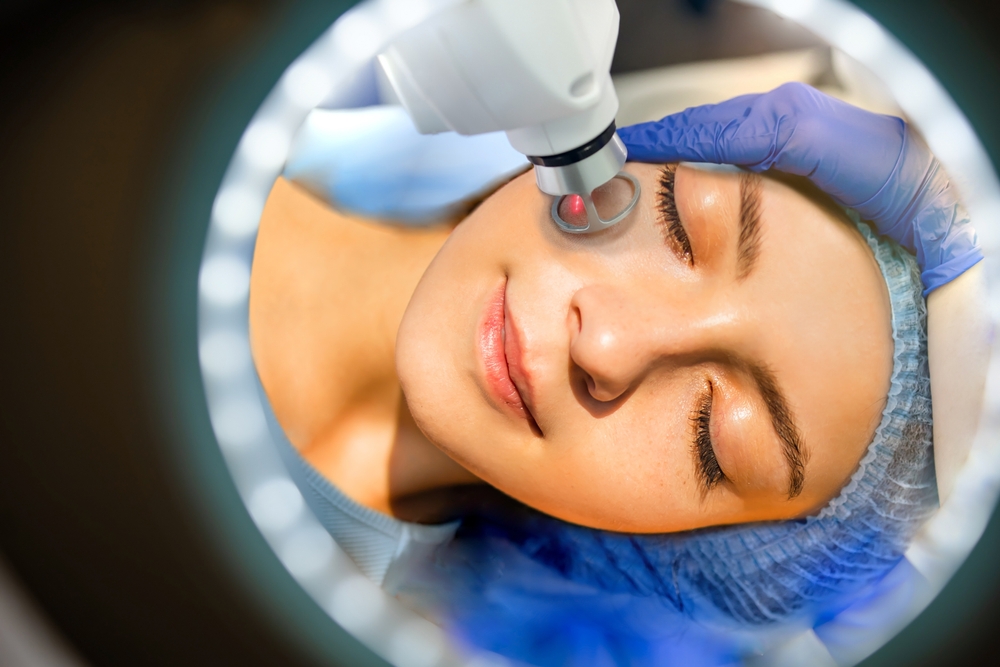
What Is a CO₂ Laser?
A CO₂ laser is an ablative laser that removes the outer layers of the skin while heating the deeper layers. This dual action makes it one of the most powerful laser resurfacing treatments available.
CO₂ lasers can be used to treat:
- Deep wrinkles
- Severe sun damage
- Advanced acne scarring
- Significant skin laxity
Because the laser removes skin tissue, the body must regenerate new skin, resulting in dramatic improvements, but with a longer recovery time.
What You Need to Understand About CO₂ Laser
While CO₂ laser resurfacing can deliver impressive results, it’s important to understand what the treatment involves before committing.
Downtime and Recovery
Downtime is one of the biggest considerations with CO₂ laser treatments. Recovery typically includes:
- 7-14 days of visible healing from redness, oozing, and crusting
- Several weeks of residual redness
- Strict aftercare and sun avoidance
This makes the CO₂ laser better suited to patients who can take time away from work and social commitments.
Intensity and Aftercare
CO₂ lasers cause significant thermal damage to stimulate collagen. While effective, this increases the risk of:
- Prolonged redness
- Infection if aftercare is not followed
- Pigmentation changes, especially in darker skin tones
For this reason, careful patient selection and experienced medical supervision are essential.
What Is an UltraClear Laser?
UltraClear Laser is a next-generation, non-ablative fractional laser that delivers powerful skin rejuvenation without removing the top layer of skin. It uses advanced laser coring technology to create microscopic treatment zones deep within the skin, while leaving surrounding tissue intact.
This approach allows UltraClear to stimulate collagen effectively while dramatically reducing downtime and surface damage.
UltraClear is often chosen by patients who want visible skin improvement with a more manageable recovery period.
What Can UltraClear Treat?
UltraClear Laser is highly versatile and can treat a wide range of concerns, including:
- Fine lines and early wrinkles
- Uneven skin texture
- Enlarged pores
- Mild to moderate skin laxity
- Acne scarring
- Sun damage and pigmentation
- Dull or tired-looking skin
It is particularly popular among patients seeking overall improvement in skin quality rather than aggressive resurfacing.
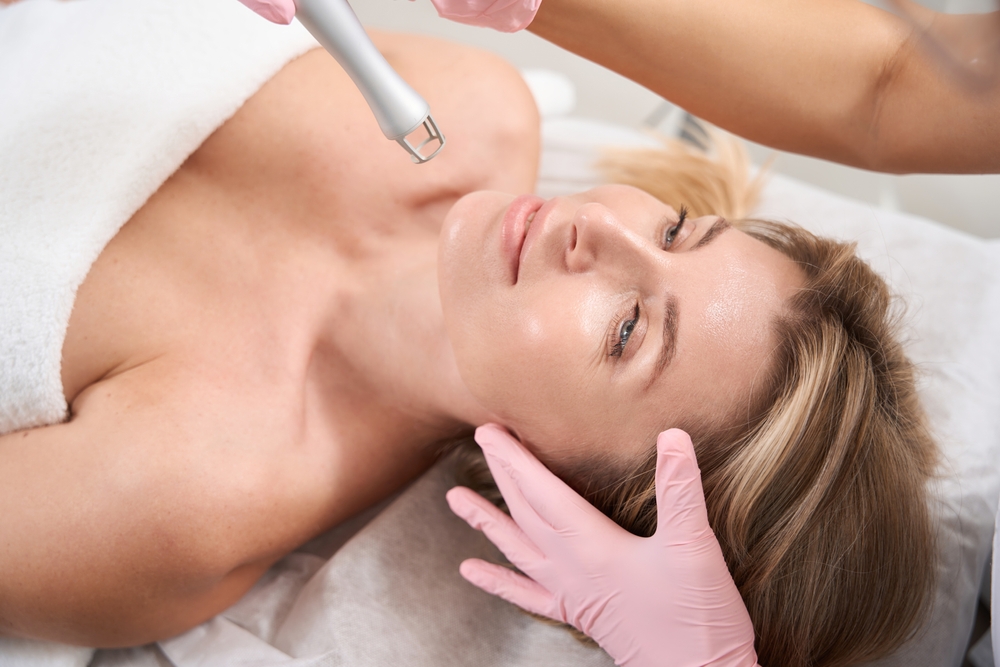
What to Expect with UltraClear
UltraClear treatments are typically well-tolerated and performed with topical numbing cream. The procedure usually takes 30–60 minutes, depending on the area treated.
Downtime and Recovery
Most patients experience:
- Mild redness for 1–3 days
- Slight swelling or sensitivity
- Minimal disruption to daily life
Makeup can often be worn for a few days, and patients can usually return to work quickly, making UltraClear ideal for busy lifestyles.
Results Timeline
Results develop gradually over several weeks as collagen production increases, leading to natural-looking, long-lasting skin improvements.
Comparing the Technologies
Depth and Intensity
- CO₂ Laser: Penetrates deeply and removes surface skin, making it suitable for severe skin concerns.
- UltraClear Laser: Targets deep skin layers without fully ablating the surface, offering effective rejuvenation with less trauma.
Thermal Damage
- CO₂ Laser: Causes significant thermal damage, which drives results but increases recovery time.
- UltraClear Laser: Minimises unnecessary heat spread, reducing inflammation and downtime.
Safety on Darker Skin
- CO₂ Laser: Higher risk of post-inflammatory hyperpigmentation in darker skin tones.
- UltraClear Laser: Safer for a broader range of skin types when performed by trained professionals.
Comfort During Treatment
- CO₂ Laser: Often requires stronger numbing or sedation due to intensity.
- UltraClear Laser: Generally, more comfortable, with patients reporting mild warmth or tingling.
Results
- CO₂ Laser: Delivers dramatic, transformative results in a single session.
- UltraClear Laser: Produces progressive, natural-looking improvements that build over time.
Who Is a Good Candidate for a CO₂ Laser?
You may be a good candidate for CO₂ laser resurfacing if you:
- Have deep wrinkles or significant sun damage
- Have severe acne scarring
- Can commit to extended downtime
- Have lighter skin tones
- Want the most aggressive resurfacing option available
A detailed consultation is essential to assess suitability and risks.
Who Is a Good Candidate for UltraClear?
UltraClear Laser may be ideal if you:
- Want noticeable skin rejuvenation with minimal downtime
- Have early to moderate signs of ageing
- Prefer non-ablative treatments
- Have a busy lifestyle
- Want to improve skin texture and firmness safely
UltraClear is also an excellent option for patients new to laser resurfacing.
UltraClear vs CO₂ – Which One Should You Choose?
Choosing between UltraClear and CO₂ laser resurfacing depends on your goals, skin condition, and recovery preferences.
- Choose CO₂ Laser if you want dramatic resurfacing results and can manage longer downtime.
- Choose UltraClear Laser for effective skin rejuvenation with faster recovery, greater comfort, and broader skin-type suitability.
At Amedics Clinic, our experienced medical practitioners assess your skin, discuss your goals, and recommend the most appropriate treatment, ensuring results are safe and natural-looking.
Final Thoughts
Both UltraClear and CO₂ lasers are powerful tools in modern aesthetic medicine, each offering distinct advantages. Understanding their differences allows you to make a confident, informed decision about your skin rejuvenation journey.


