


Sunken eyes refer to a noticeable hollow or dark appearance under the eyes, often giving the face a tired or aged look. This condition is common and can happen to people of all ages. In many cases, it’s not harmful, but it can affect how a person looks and feels about themselves.
While sunken eyes are usually not a sign of a serious health problem, they can be a cosmetic concern for many. Fortunately, there are both simple home remedies and medical treatments available to improve their appearance and prevent them from becoming more noticeable over time.
Whether you’re dealing with them now or just curious, understanding the causes and options is important.
What Are Sunken Eyes?
Sunken eyes, often referred to as tear trough hollows, describe a condition where the area below the eyes looks dark, shadowy, or hollowed out. This can give the face a tired, aged, or unwell appearance, even in individuals who are otherwise healthy. The skin beneath the eyes may appear less thick, and the eyes might look as though they are sitting more deeply within their sockets.
This condition is often linked to the natural loss of fat, collagen, and skin elasticity that occurs with age, but it can also result from other factors such as dehydration, poor sleep, illness, or genetics. While sunken eyes are typically a cosmetic concern rather than a medical one, their appearance can significantly affect a person’s confidence and overall facial expression.
Causes of Sunken Eyes
Sunken eyes can develop for many reasons, most of which are not medically serious. Here are the most common causes:
- Ageing: With age, skin loses collagen and fat, leading to thinner skin and natural hollowing around the eyes.
- Dramatic Weight Loss: Significant fat loss in the face can expose blood vessels, making the under-eye area appear more sunken and shadowed.
- Genetics: Some people naturally have deeper-set eyes or darker under-eye areas due to inherited facial structure and skin tone.
- Lack of Sleep: Chronic sleep deprivation can cause under-eye puffiness, poor circulation, and shadows that give a sunken appearance.
- Dehydration: Insufficient hydration can decrease skin plumpness, particularly around the eyes, resulting in a fatigued, sunken appearance.
- Sun Exposure: Excess sun exposure increases melanin production, deepening pigmentation under the eyes and enhancing the sunken look.
- Allergies: Allergies can lead to dark circles and puffiness, which are frequently intensified by eye rubbing and inadequate circulation.
- Sinus Infections: Sinus pressure and inflammation may lead to puffiness or hollowing around the eyes due to fluid buildup.
- Smoking: Smoking breaks down collagen, causing skin to sag and lose firmness, which contributes to a sunken appearance.
- Poor Diet: Deficiencies in essential nutrients can affect skin health and elasticity, making the under-eye area look hollow.
- Eye Injuries: Trauma around the eye socket, such as fractures, can shift bone structure and result in a sunken appearance.
Symptoms of Sunken Eyes
Sunken eyes are usually something you’ll notice in the mirror before anywhere else. The way they look can vary from person to person, but here are the most common symptoms:
- Skin above and under the eyes that appears thinner or more delicate than the surrounding facial skin.
- A shadowy or darkened area beneath the lower eyelids and above the upper eyelids.
- A tired or fatigued look that persists even when you’re well-rested.
- A visible dip or sunken area just below the eyes or below the eye brows.
- Persistent dark circles that don’t easily fade or disappear.
People also refer to this condition as tear trough hollows or under-eye hollows. It often starts to become more noticeable in your late 30s or 40s as the skin naturally changes with age.
Medical Treatment for Sunken Eyes Due to Thin Skin and Structural Volume Loss
There are several effective medical treatments that can help reduce or correct the appearance of sunken eyes.
1. Dermal Fillers
Dermal fillers, most commonly made of hyaluronic acid, are injected into the hollow area beneath the eyes (called the tear trough). They work by adding volume and lifting the skin slightly, which reduces the shadowed or sunken look.
The procedure usually takes 15 to 30 minutes, and the results are visible immediately, lasting around 6 to 12 months. Recovery time is minimal, though you may experience slight swelling or bruising for a few days.
2. Fat Grafting (Fat Transfer)
In the fat grafting procedure, fat is taken from another part of the body, such as the thighs or abdomen. The fat is then processed and injected under the eyes.
However, since it uses your own body’s fat, the results can last much longer. This is a surgical procedure, and recovery includes some swelling and bruising that may last 1 to 2 weeks. Fat grafting is ideal for those looking for a more natural, long-term alternative to dermal fillers.
3. Laser Treatments
Laser treatments, including fractional CO₂ and Erbium lasers, help by tightening the skin, improving its texture, and boosting collagen production. These treatments don’t restore volume, but they can make the under-eye area look firmer, smoother, and less shadowed.
They work best for issues like fine lines, thin skin, or dark pigmentation. Downtime depends on the type of laser used, some have little to no recovery period, while others may need a few days. Typically, multiple sessions are recommended for the best results.
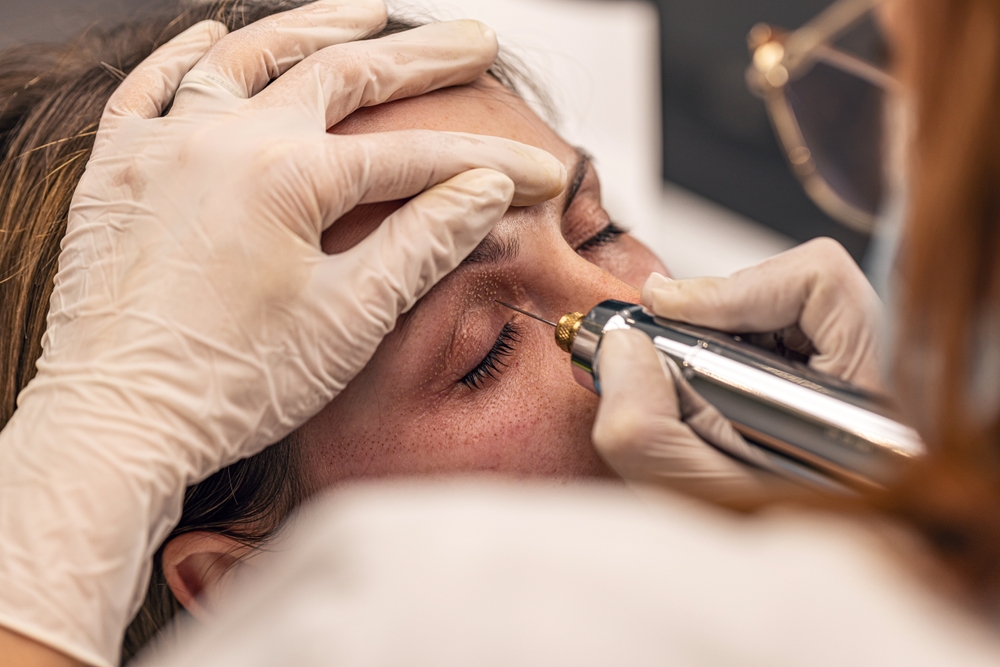
4. Microneedling or Radiofrequency (RF) Treatments
These non-surgical treatments work by stimulating collagen production in the under-eye area. In microneedling, devices induce precise micro-injuries or apply heat (in RF treatments), which activate the skin’s natural healing mechanism.
As time passes, this results in skin that is thicker, firmer, and more elastic. These treatments are most effective for mild hollowness or crepey skin under the eyes. Multiple sessions are usually needed to see visible results, and recovery is minimal, typically just a day or two of redness or swelling.
5. Platelet-Rich Plasma (PRP)
PRP uses growth factors from your own blood to boost collagen, elastin, and overall skin regeneration. A small amount of blood is drawn, processed, and then injected into the under-eye area.
This doesn’t directly add volume but helps improve skin quality, thickness, and circulation, which can reduce the hollow, tired look. Multiple sessions are usually needed, and results build gradually over weeks to months.
6. Polynucleotides (PNs)
Polynucleotides are bio-stimulatory injections derived from DNA fragments that encourage tissue repair and regeneration. They increase hydration, improve microcirculation, and stimulate fibroblasts to produce collagen and elastin.
They’re especially effective for thin, fragile skin under the eyes, making the area look smoother, healthier, and less shadowed. Results develop gradually with repeated sessions, and downtime is minimal.
Home Remedies to Treat Sunken Eyes
If your sunken eyes are mild or caused by lifestyle factors, the following at-home tips may help improve their appearance naturally. While these remedies won’t reverse ageing or structural changes, they can support healthier skin and reduce the look of hollowness over time.
- Stay Hydrated: Dehydration is a major cause of hollow-looking eyes. Drinking enough water each day helps keep your skin firm and reduces the appearance of under-eye hollows.
- Get Quality Sleep on a Schedule: Lack of sleep can make the eyes look sunken and dull. Stick to a consistent sleep schedule and aim for 7-9 hours of rest to allow your skin to repair and regain fullness.
- Use Cold Compresses: A cold compress helps reduce inflammation and gently tightens the skin under the eyes, which can make hollowness less noticeable.
- Apply Chilled Cucumber Slices: Cucumbers hydrate and cool the skin, helping to temporarily plump the under-eye area and reduce that hollow, tired look.
- Use Warm Tea Bags Under Eyes: Tea contains antioxidants that boost blood flow. Applying warm, damp tea bags beneath your eyes can enhance blood flow and lessen the shadows under your eyes.
- Apply Almond Oil at Night: Massaging a drop of almond oil under each eye may improve skin tone and smoothness over time, which helps the area look less hollow and more even.
- Use a Rich Eye Cream: Choose a moisturiser with hyaluronic acid, peptides, or vitamin C. These ingredients hydrate and firm the under-eye skin, improving volume and brightness.
- Use a Moisturiser with SPF During the Day: Sun damage breaks down collagen and thins the skin, which makes under-eye hollows look worse. Use an SPF moisturiser to protect and maintain skin thickness.
- Protect Your Eyes From Sun Exposure: Wear sunglasses and a hat outdoors to protect your eyes and prevent further collagen breakdown in the thin skin under your eyes.
- Eat Nutrient-Dense Foods for Skin Support: Dark leafy greens, berries, eggs, nuts, and fatty fish contain nutrients like iron, vitamin C, and healthy fats, all of which support skin volume and elasticity.
- Limit Caffeine If You’re Dehydrated: Too much caffeine without enough water can dry out your skin and deepen under-eye hollows. Cut back or balance it with more hydration.
- Stop Smoking: Smoking reduces blood flow and breaks down skin structure. Quitting helps your skin regain elasticity and can reduce deep hollowness under the eyes over time.
When Should You See a Doctor About Sunken Eyes?
Sunken eyes are often harmless and can simply be a natural part of ageing. However, if they continue to worsen despite getting enough rest, staying hydrated, and following healthy habits, it’s worth consulting a doctor.
You should also seek medical advice if sunken eyes come with other symptoms, such as:
- Nasal congestion or sinus issues.
- Persistent eye irritation (itching, redness, or dryness).
- Ongoing fatigue not explained by lifestyle.
- Unusual weight loss or changes in appetite.
- Digestive problems like nausea or discomfort.
- Frequent headaches.
- Emotional distress or low self-esteem linked to appearance.
A doctor can assess your symptoms, rule out any underlying conditions, and suggest appropriate treatment or lifestyle adjustments.
Final Thoughts
Sunken eyes can be caused by ageing, lifestyle habits, or health issues like dehydration and allergies. In many cases, they’re not serious and can improve with proper care, rest, and hydration. Home remedies may help, but results vary from person to person. If the condition worsens or comes with other symptoms, it’s best to consult a doctor. Identifying the cause is key to finding the right solution and fixing a healthier, more refreshed appearance.


