


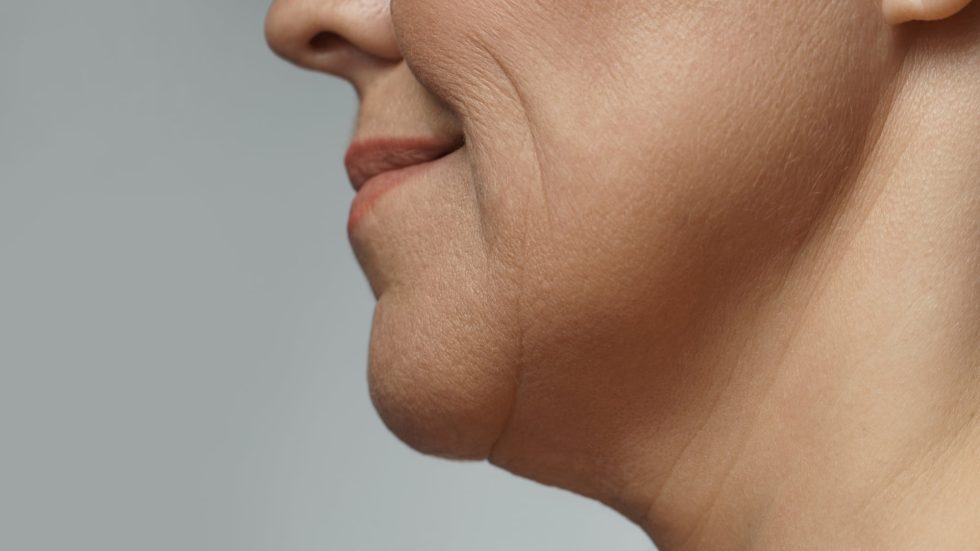
The appearance of saggy jawline is a prevalent issue among many people in the UK as they age. This problem can impact self-esteem and facial beauty, but you can effectively control it by knowing what jowls are and the various treatment choices, which is all explained in this guide.
What are Jowls?
The slack, drooping skin patches that show up along the jawline and lower cheeks are called jowls. They often result in a visible sag or fold that might lessen the definition of the jawline. While some jowl development is normal as people age, excessive sagging can be worrisome and can make the face appear heavier and older.
What Causes Sagging Jowls?
Understanding what causes sagging jowls is key to addressing the problem. The main factors include:
Age-related skin changes
Collagen and elastin, two proteins that maintain skin firm and elastic, are produced less frequently as we age. Skin laxity is the result of these being naturally lost.
Gravity
Over time, gravity pulls the skin and soft tissues downward, causing saggy jowls.
Loss of facial fat and bone density
Sagging is exacerbated by the shrinkage or shifting of the face’s underlying support parts such as bone and fat pads.
Sun damage
UV rays increase ageing and harm skin fibres, which exacerbates saggy jawline.
Lifestyle
Rapid weight fluctuations, poor food, and smoking can all degrade skin quality and hasten drooping.
Genetics
Your family history influences when and how jowls develop.
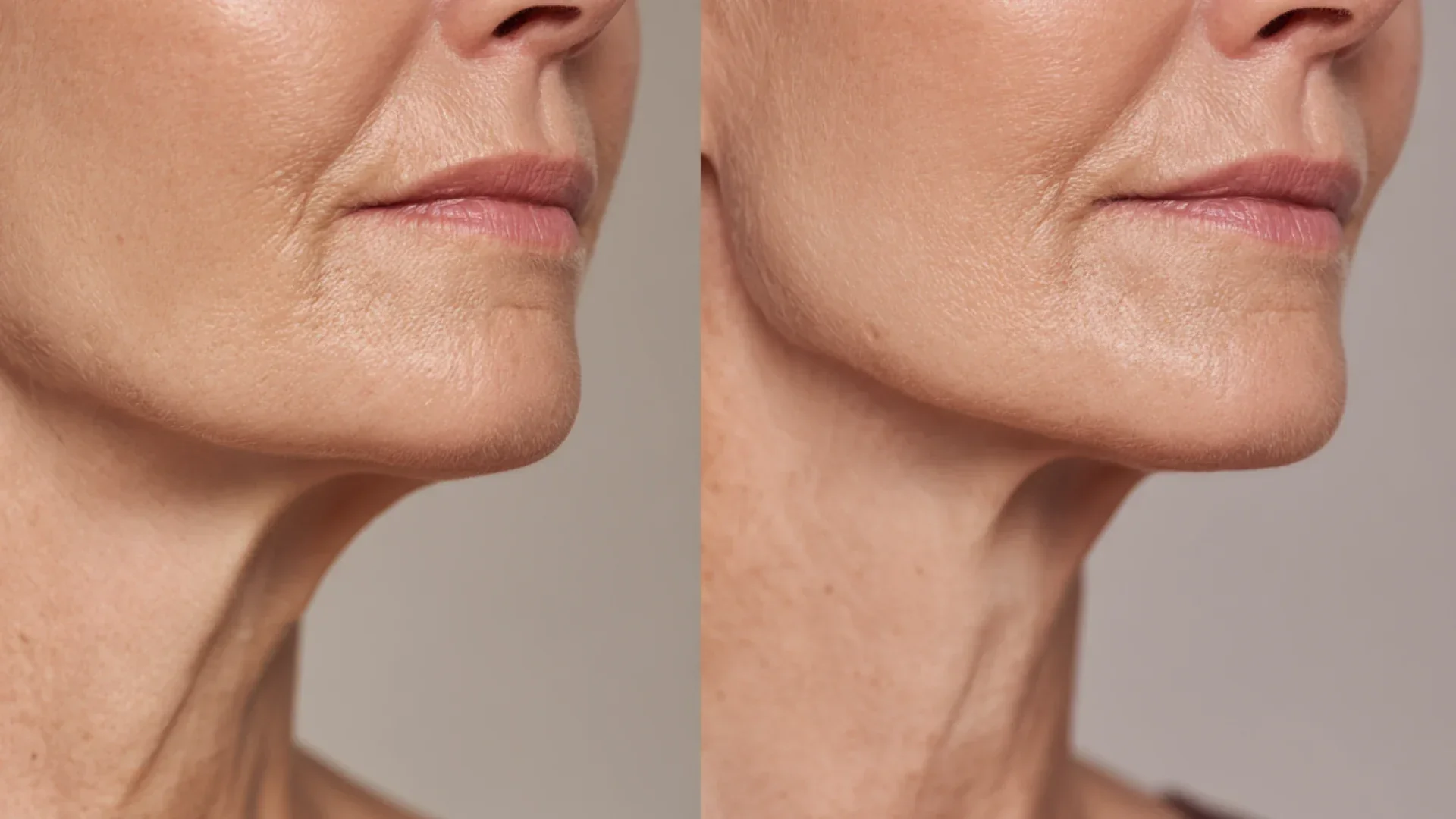
Common Symptoms of Saggy Jowls
- Soft, drooping skin along the jawline
- Loss of sharp jawline contour
- Appearance of folds or creases below the chin or cheeks
These signs of saggy jowls can vary widely depending on genetics, lifestyle, and overall skin health.
Saggy Jowls Treatment Options
Fortunately, there are many effective sagging jowls treatment options available in the UK, tailored to different levels of severity and personal preferences. These treatments can restore a firmer, more youthful jawline.
Non-Surgical Jowls Treatments
Dermal Fillers
Injectable fillers can lift the skin and improve definition by adding volume to the jawline and cheekbones. With quick results and minimum recovery time, this is a well-liked, less invasive choice.
Ultrasound therapy (Ultherapy)
This procedure stimulates the creation of natural collagen by heating deep layers of skin with concentrated ultrasonic radiation. Over several months, it gently tightens and lifts the skin.
Radiofrequency treatments
Radiofrequency heat-using devices can improve sagging by tightening the skin and encouraging the formation of collagen.
Thread Lifts
Saggy jowls are physically lifted and supported by inserting tiny, dissolvable threads beneath the skin. Additionally, the threads encourage the formation of collagen.
Surgical Jowls Treatments
Facelift Surgery
A facelift, which is regarded as the gold standard for correcting saggy jowls, removes extra skin and tightens the muscles underneath it, producing noticeable and long-lasting improvements. Moderate to severe sagging can be treated with surgery.
Neck Lift
Often combined with a facelift to address sagging skin in the neck and jawline area for a smoother contour.
Sagging Jowls Treatment Aftercare
Alongside professional treatments, good skincare and healthy habits can help prevent or delay sagging:
- Use daily sunscreen to protect against UV damage.
- Maintain a balanced diet rich in antioxidants and collagen-boosting nutrients.
- Avoid smoking and excessive alcohol consumption.
- Follow a skincare routine with moisturisers and products containing retinoids or peptides.
Final Thoughts
A good place to start if you’re worried about a saggy jawline or want to know what causes drooping jowls is to speak with a licensed aesthetic practitioner in the UK. Whether non-surgical or surgical, they can suggest the most suitable jowls treatment for you.


