


Tired of noticing signs of ageing every time you look in the mirror? Polynucleotides are one of the treatments that can help improve the appearance of many signs of ageing and give you a fresher, more youthful appearance.
Although the results of the treatment develop gradually, the before-and-after improvements from polynucleotides can be noticeable. Amedics offers a range of skin treatments designed to address different signs of ageing and skin concerns.
What Are Polynucleotides?
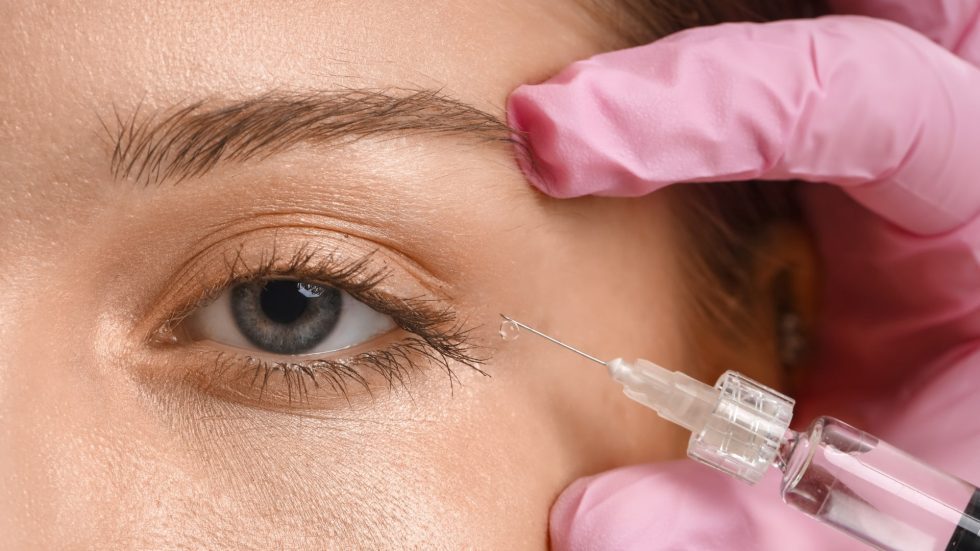
Polynucleotides are naturally derived molecules made up of chains of nucleotides, which are the building blocks of DNA. They are used as injectable treatments designed to support skin regeneration from within.
Instead of acting as a filler or muscle relaxant, polynucleotide treatment aims to improve the overall quality of your skin by supporting collagen and elastin production and encouraging natural skin renewal.
When you choose a polynucleotide treatment, it is not simply about adding volume or relaxing muscles. It is about rejuvenating your skin and helping it become healthier and more resilient.
This approach makes polynucleotides particularly appealing if you are looking for subtle and progressive improvements rather than immediate results that may sometimes look artificial.
With polynucleotides, the aim is to improve your skin’s function, hydration and elasticity, making it look fresher, smoother and more refined.
How Do Polynucleotides Work?
The idea of polynucleotides can initially seem complex and difficult to understand. However, the process is relatively straightforward, and most of it occurs beneath the skin after the treatment is complete.
You can learn more about the evidence and expected benefits in our guide discussing whether polynucleotides work.
Stimulating Cellular Repair
Polynucleotides stimulate fibroblasts, which are the cells responsible for producing collagen and elastin in your skin. These proteins are essential for maintaining firmness, elasticity and structure.
When polynucleotides are introduced into the skin, they encourage fibroblast activity and support collagen production. This process does not happen overnight, but it can lead to steady improvements in skin quality.
Deep Hydration and Skin Support
Another important way polynucleotides work is by improving hydration at a deeper level. They have a strong affinity for water molecules, helping your skin retain moisture more effectively. This can be particularly helpful if your skin feels dry, dull or tired.
Unlike topical products that sit on the surface, polynucleotides work within the dermis. This allows them to create a healthier environment for your skin cells, supporting longer-term hydration and resilience rather than providing a short-lived surface improvement.
Anti-Inflammatory Effects
Polynucleotides also have anti-inflammatory properties, which may be beneficial if your skin is sensitive or prone to redness. They can help calm irritation and support the skin’s natural healing processes.
This may make them a suitable option if your skin has been affected by environmental factors such as sun exposure or pollution.
What Areas Can Polynucleotides Help With?
Polynucleotides are versatile and can be used for various applications, making them a preferred treatment for several skin concerns. The treatment can be applied to areas such as:
Under-Eye Area
The under-eye area is one of the most delicate parts of your face and one of the most popular areas for polynucleotide treatment. It is often the first place to show signs of ageing or fatigue.
Polynucleotides can be particularly useful in this area because they aim to improve skin quality without adding unnecessary volume.
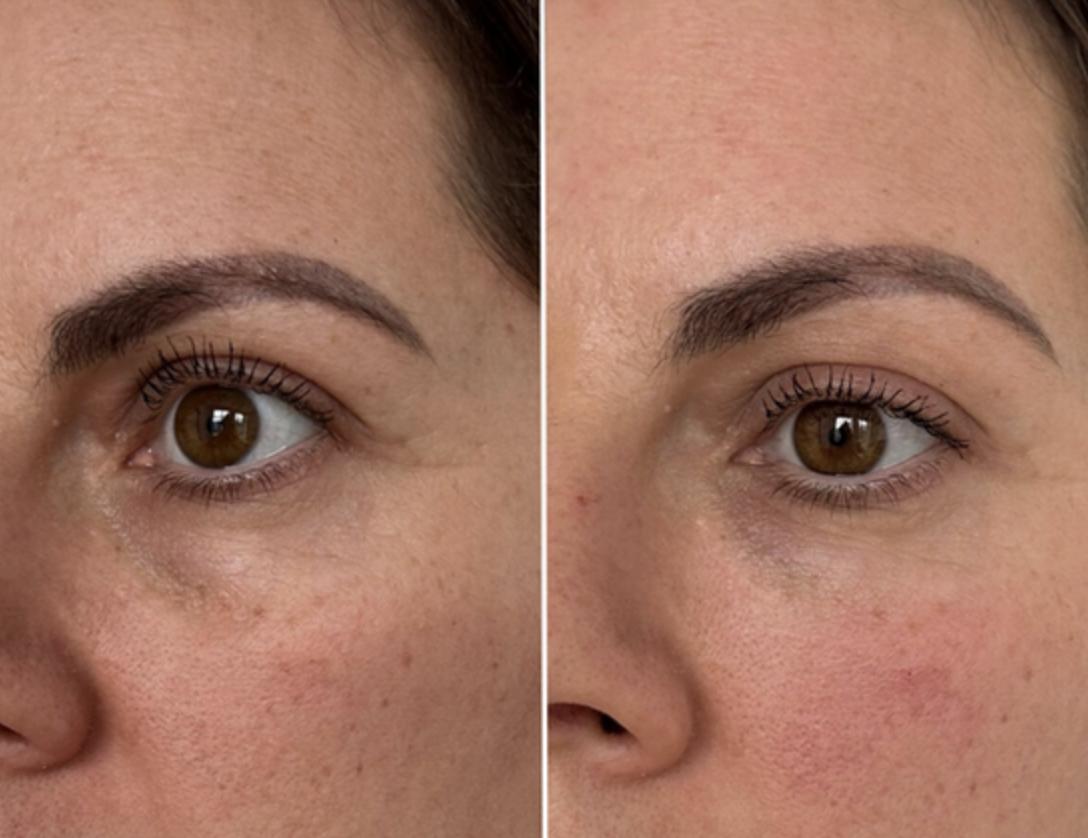
If you struggle with fine lines, crepey texture or dark circles caused by thinning skin, this treatment may help strengthen and improve the quality of the area. Over time, you may notice that your under-eyes look smoother, brighter and less tired.
Rather than simply masking the concern, polynucleotides support the health of the skin. This can produce a more natural and refreshed appearance, which is especially important in such a visible area.
Other treatment options may also be considered depending on the cause of your concern. Read our guide on how to reduce dark circles beneath the eyes.
Face and Neck
The face and neck are constantly exposed to environmental factors, including UV rays, which can lead to uneven texture, fine lines and a loss of elasticity.
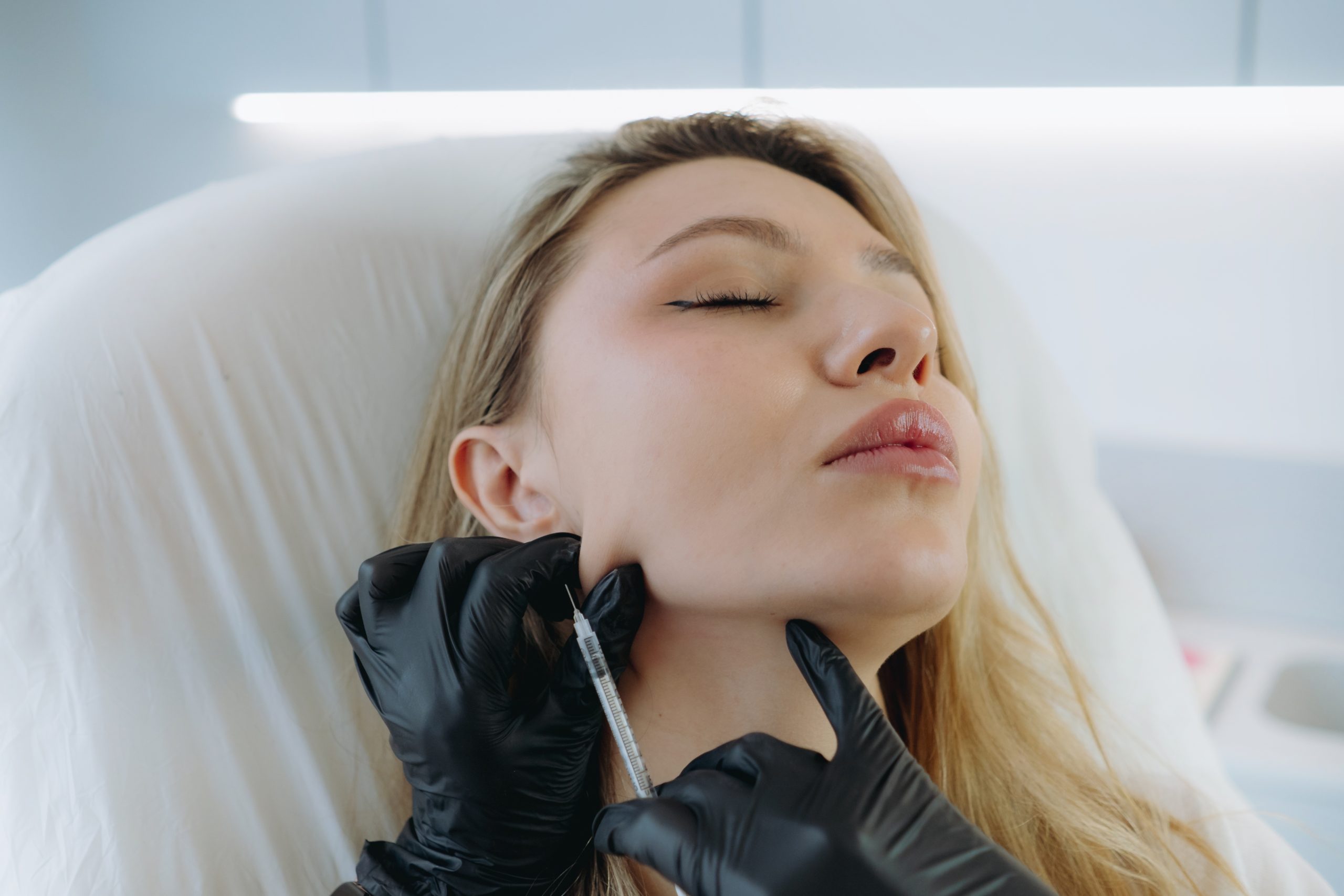
Polynucleotides can help improve overall skin quality in these areas by supporting collagen production, hydration and the skin’s natural repair processes.
After a course of polynucleotide treatments, you may find that your skin appears firmer and more even in tone. Fine lines may look softer, and your complexion may appear more radiant and youthful.
For the neck, where the skin is often thinner and more prone to laxity, polynucleotides can provide additional support, leading to a smoother and more refined appearance over time.
Décolletage
The décolletage is another area that is often overlooked but can show significant signs of ageing. Sun exposure, in particular, can lead to pigmentation, dryness and fine lines.
Polynucleotide treatments can help rejuvenate this area by improving hydration and encouraging skin renewal. This may help the skin appear smoother, clearer and more evenly toned over time.
If you are concerned about the appearance of your chest area, particularly when wearing lower-cut clothing, this treatment offers a subtle way to improve your confidence in your skin.
What Is the Timeline of Polynucleotide Results?
The results of polynucleotide treatment are not immediate, which may concern some people. Understanding the results timeline can help you know what to look for and when you may begin noticing changes.
Our detailed guide explains more about how long polynucleotides take to work.
Three Days After Treatment
During the first few days after your treatment, you may notice mild swelling, redness or small bumps around the injection sites. These effects are temporary and often resolve within a few days.
You may notice minimal or no visible improvement at this stage because the treatment is only beginning to stimulate your skin’s natural processes.
However, in some cases, your skin may begin to feel more hydrated and rejuvenated.
Two Weeks After Treatment
By the two-week mark, you may begin to see early signs of improvement. Your skin may start to look more hydrated and feel smoother to the touch. Any initial sensitivity or redness should have resolved.
This is when the regenerative process may become more noticeable. Collagen production is beginning to increase, and your skin may appear healthier and more vibrant.
Although the changes are still subtle at this stage, they can gradually lead to more noticeable improvements over the following weeks.
Five Weeks After Treatment
Around five weeks after your treatment, the results tend to become more visible. You may notice that your skin looks firmer, with improved texture and elasticity.
Fine lines may begin to soften, and your overall complexion may appear brighter and more even. If you have had treatment around the under-eye area, you might notice reduced crepiness and a more refreshed appearance.
This is often when people begin receiving comments about their skin looking healthier, even if others cannot identify exactly what has changed.
Eight Weeks After Treatment
By eight weeks, the full effects of your treatment are usually more apparent. Collagen production has increased, and your skin has had time to rebuild and strengthen itself.
You may notice clearer improvements in firmness, hydration and overall skin quality. The results should still look natural, but your skin may appear more youthful and resilient.
For optimal outcomes, a course of treatments is often recommended, as this can help maintain and enhance the results over time.
What Are the Benefits of Polynucleotide Treatments?
When looking to rejuvenate your skin, there are different treatments you can consider, including several non-surgical options. However, each treatment has its own benefits and limitations, making it important to choose the right one.
Here are some of the potential benefits of polynucleotides and why you may consider them when looking for noticeable before-and-after improvements.
Natural-Looking Results
One of the main benefits of polynucleotides is that they are designed to deliver natural-looking results. Because they work by supporting your body’s regenerative processes, the improvements should appear subtle rather than overdone.
Your skin may simply look healthier, smoother and more refreshed, making this treatment suitable if you prefer a subtle enhancement rather than a dramatic change.
Long-Term Skin Improvement
Polynucleotides help improve the quality of your skin over time. By stimulating collagen production and supporting cellular repair, they aim to create longer-term improvements rather than temporary surface-level changes.
This means your skin may continue to benefit after your initial course of treatment. With suitable maintenance, you may enjoy ongoing improvements in texture, tone and elasticity.
You can also explore other ways to address fine lines and wrinkles as part of a wider skin-rejuvenation plan.
Versatility Across Different Areas
Another advantage of polynucleotides is their versatility. They can be used on various areas of the face and body, including delicate areas such as beneath the eyes.
This makes them a flexible option if you have multiple concerns or want a more comprehensive approach to skin rejuvenation.
Suitable for a Range of Skin Types
Polynucleotide treatments are generally well tolerated and can be suitable for a range of skin types. Whether your skin is dry, sensitive or ageing, the treatment can be tailored to your needs following a professional assessment.
Are There Any Risks Associated with Polynucleotide Treatments?
Like any treatment, polynucleotides have potential risks and side effects that you should understand so that you have clear and realistic expectations. However, many of these effects are temporary and resolve within a short time.
Read more about the possible side effects of polynucleotide treatments before deciding whether the procedure is suitable for you.
Common Side Effects
As with any injectable treatment, there are some potential side effects to be aware of, including redness, swelling and slight bruising around the injection sites.
These effects typically settle within a few days and can usually be managed by following the recommended aftercare.
Allergic Reactions
Although rare, allergic reactions can occur, which is why a thorough consultation is essential before your treatment.
Your practitioner will assess your medical history and determine whether the treatment is suitable for you. They will also explain how any unexpected reaction should be managed.
Infection Risk
There is a small risk of infection with any injectable procedure, but this risk is minimised by maintaining strict hygiene standards and using sterile techniques during treatment.
Following your aftercare instructions, such as avoiding unnecessary contact with the treated area, can also help reduce this risk.
What Should You Expect During Your Polynucleotide Treatment?
Initial Consultation
Before your treatment begins, you will have a detailed consultation. This is an opportunity to discuss your concerns, goals and expectations.
Your practitioner will assess your skin and create a personalised treatment plan. This ensures that the approach is tailored to your specific needs.
The Treatment Process
On the day of your appointment, your skin will be thoroughly cleansed. A topical numbing cream may then be applied to improve your comfort during the procedure.
The polynucleotide solution is injected into the targeted areas using fine needles. The process is relatively quick and usually takes around 30 to 45 minutes, depending on the area being treated.
Immediately After Treatment
After your treatment, you may notice small bumps or slight swelling in the treated areas. This is normal and typically subsides within a day or two.
Your practitioner will provide aftercare advice to help you achieve the best results. You can usually return to your normal routine shortly after the procedure.
Post-Polynucleotide Treatment Care Routine
Following the correct polynucleotide aftercare routine can help minimise temporary side effects and support the healing process.
Keeping the Skin Clean and Calm
During the first 24 hours after your treatment, it is important to keep the treated area clean and avoid applying heavy products. Gentle cleansing is recommended to prevent irritation.
You should also avoid unnecessarily touching or rubbing the area, as this may increase the risk of infection.
Avoiding Heat and Strenuous Activity
For a few days after your treatment, it is best to avoid excessive heat, including saunas and hot baths.
Strenuous exercise should also be limited because it can increase swelling and redness. Giving your skin time to settle allows the treatment area to recover properly.
Staying Hydrated
Hydration plays an important role in supporting your skin following polynucleotide treatment. Drinking plenty of water supports your skin’s overall condition and natural regenerative processes.
Well-hydrated skin is better able to maintain a healthy and refreshed appearance.
Following a Gentle Skincare Routine
After your treatment, it is advisable to follow a gentle skincare routine. Avoid harsh exfoliants and active ingredients for a few days because your skin may be more sensitive.
Once your skin has settled, you can gradually reintroduce your usual products, focusing on hydration and protection and following your practitioner’s guidance.
Attending Follow-Up Appointments
For optimal results, you may be advised to have a course of treatments spaced several weeks apart. Attending follow-up appointments allows your practitioner to assess how your skin is responding.
Your practitioner can also review your progress and adjust your treatment plan when necessary, helping you achieve the best possible outcome.


