


The ability of polynucleotide treatments to enhance skin elasticity, texture, and rejuvenation is making them more and more popular in the UK. These injectable biostimulators provide a non-surgical means of rejuvenating your appearance, regardless of your goals: fine lines, dullness, or hair thinning. However, polynucleotides aftercare is extremely necessary if you want to make your outcomes long-lasting.
Following the right polynucleotides treatment aftercare not only improves the results but also lowers your chance of experiencing undesirable side effects including irritation, bruising, or swelling
Why does Polynucleotides Treatment Aftercare Matter?
What you do after leaving the clinic is what makes your polynucleotide treatment successful. Following the proper polynucleotides aftercare reduces swelling and redness, promotes a smooth healing process, and effectively rejuvenates the skin. It’s a small investment that has a big impact on improving your results.
Immediate Aftercare Tips (First 24–48 Hours)
Post-treatment care can reduce the risk of common side effects. The following polynucleotides aftercare guidelines are essential during the first few days:
- Do not press, rub, or touch the treated area.
- For at least 24 to 48 hours, avoid alcohol, saunas, steam rooms, and cosmetics.
- Apply a cold compress to lessen swelling.
- The first night after receiving facial area treatment, sleep with your head up.
- Steer clear of blood thinners (unless recommended) and drink plenty of water.
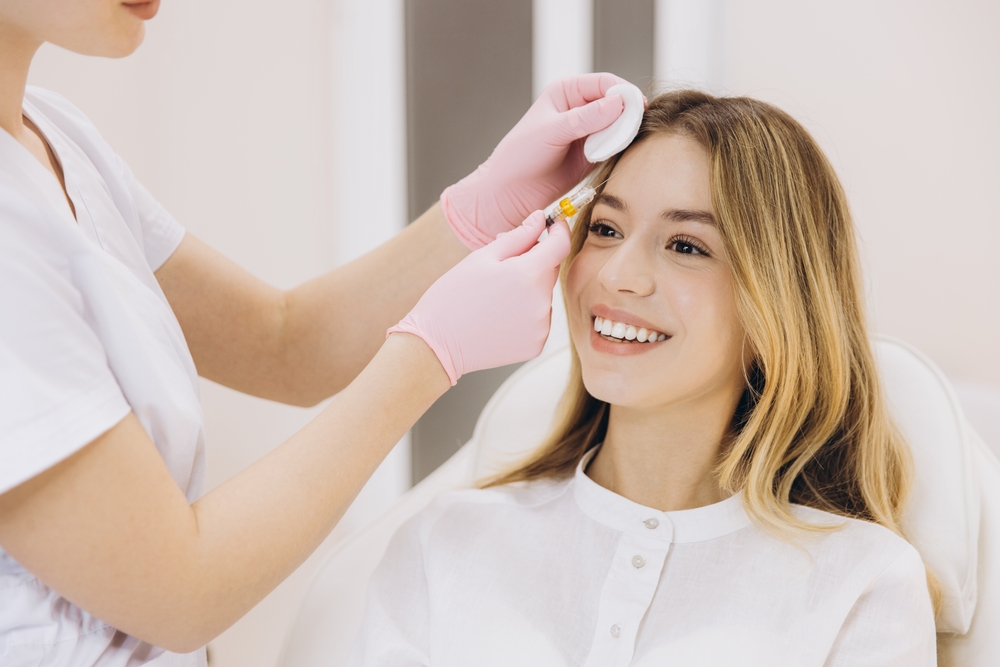
Ongoing Aftercare (Up to 2 Weeks)
The polynucleotides aftercare doesn’t end after two days; you may need to take gentle care for up to two weeks:
- Avoid retinols, AHAs, and harsh exfoliants and stick to a basic skincare regimen.
- Regularly apply sunscreen to protect your healed skin.
- Stay away from sunbeds and inclement weather.
- No massages, facials, or other cosmetic procedures without confirming with your doctor.
Polynucleotides Aftercare Exercise
The following information may help you understand polynucleotide aftercare exercises:
- Steer clear of heavy lifting, intense training, and demanding exercises for 48 to 72 hours.
- Avoid swimming, hot yoga, and other activities that make you lose sweat a lot.
- You can take short walks, but always pay attention to your body and do as your clinician instructs.
What to Avoid for Polynucleotides Aftercare?
Although side effects are typically mild, consult a specialist if:
- Redness or swelling persists for more than three days.
- You observe that the treated area is overly bruised or heated.
- Any discomfort that seems out of the ordinary or gets worse.
Final Thoughts
Polynucleotides aftercare may seem complicated, but it’s actually rather easy and low-maintenance. If you’re new to this treatment, read our Polynucleotides guide here. You can get the best outcomes and prevent unwanted side effects by following a few basic rules.
Your results are influenced by everything you do following treatment, from skincare decisions to polynucleotides aftercare exercise advice. If you have any questions concerning any aspect of your polynucleotide treatment aftercare regimen, consult your practitioner.


