


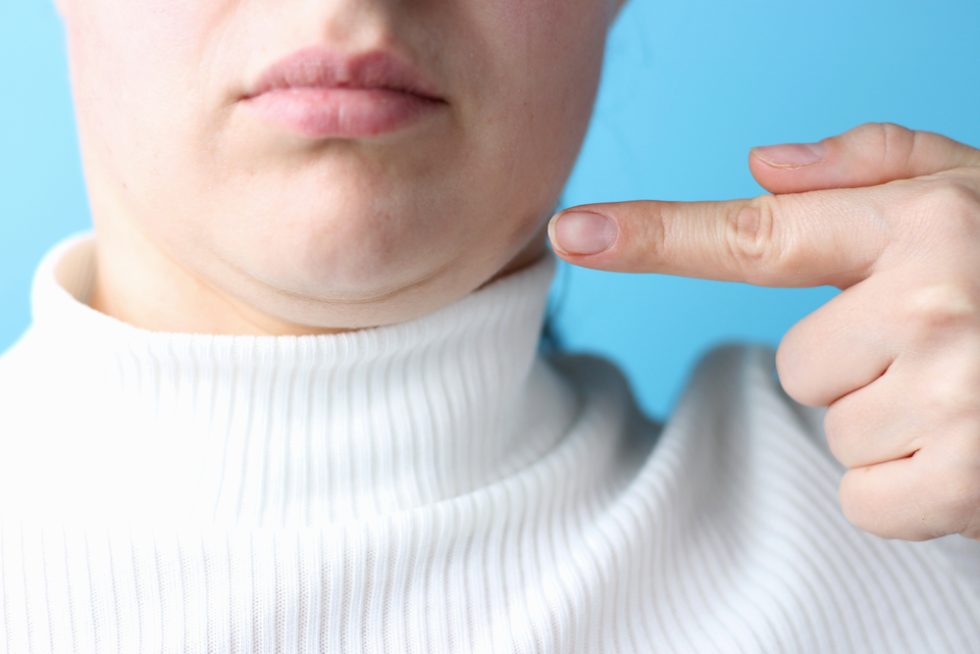

Whether you have been concerned about a double chin for several years or have only recently started noticing one, it can affect how you feel about your appearance. Fullness beneath the chin may soften the jawline, change the side profile and make the lower face look heavier.
A double chin is more accurately described as submental fullness. It appears in the area between the chin and upper neck and may be caused by a pocket of fat, loose skin, facial structure or a combination of these factors.
Although submental fat is a common cause, not every double chin is caused by excess fat. Understanding what is creating the fullness is essential because a treatment intended to reduce fat will not necessarily correct loose skin or a recessed chin.
This guide explains the common causes of a double chin, the available non-surgical and minimally invasive treatments, and how to choose an approach that suits your anatomy and goals.
What Is a Double Chin?
A double chin is a visible fold, bulge or area of fullness beneath the chin. It can reduce the distinction between the chin, jawline and neck, particularly when viewed from the side.
The appearance may be influenced by:
- Submental fat beneath the skin.
- Loose or less elastic skin.
- A small or recessed chin.
- A naturally soft or rounded jawline.
- The position of the neck muscles and deeper anatomical structures.
- Age-related changes to the jaw and lower face.
- Posture and the position in which the head is being held.
Posture can make fullness appear more noticeable in photographs or when looking down, but poor posture alone does not create submental fat. It may simply change how the existing tissue sits.
Our guide to neck fat and its treatment options provides further information about fullness around the chin and neck.

What Causes a Double Chin?
A double chin is rarely caused by one factor alone. Many people have a combination of localised fat, skin laxity and facial anatomy.
Genetics
Genetics have a significant influence on the shape of the chin, jawline and neck. You may naturally store more fat beneath the chin or inherit a shorter, smaller or more recessed chin.
A recessed chin can make the neck appear to begin closer to the face, increasing the perceived severity of a double chin even when relatively little fat is present.
Skin thickness, elasticity and fat distribution are also partly inherited. This means submental fullness can appear in people who are otherwise slim and maintain a stable weight.
Weight Gain
When overall body fat increases, additional fat may accumulate beneath the chin and around the upper neck.
Some people are genetically more likely to store fat in this area, so even a relatively small weight change can make the lower face appear fuller. Other people may not develop a noticeable double chin until after more substantial weight gain.
Aesthetic fat-reduction procedures are not substitutes for weight-management treatment. When fullness is associated with general weight gain, addressing overall health and weight may be the most appropriate first step.
Ageing
Ageing affects the skin, fat, muscles and bones of the lower face.
Collagen and elastin contribute to the skin’s firmness and ability to hold its shape. As the skin ages, changes in these proteins can lead to reduced elasticity and increased laxity beneath the chin.
Ageing may also cause:
- Changes in facial and neck fat distribution.
- Reduced jawline definition.
- Changes in the muscles and supporting tissues of the neck.
- Gradual changes in the chin and jaw bones.
- Jowling and lower-face heaviness.
When ageing is the main cause, removing fat alone may not create the desired result. Skin tightening or structural support may also need to be considered.
Loose Skin
Loose skin beneath the chin can create a fold that resembles a pocket of fat. This may develop through natural ageing, sun damage or significant weight loss.
After weight loss, the fat layer may become smaller without the skin contracting fully. The result may be thin, loose tissue rather than a soft, pinchable fat pocket.
Skin laxity is often more visible when looking down, turning the head or moving the neck.
A Small or Recessed Chin
Chin projection has a major influence on the appearance of the side profile.
When the chin is small or sits further back, there may be less visible separation between the lower lip, chin and neck. This can make the under-chin area appear fuller even if the amount of fat is limited.
In suitable patients, chin filler treatment may improve projection and facial balance. However, filler does not remove fat or tighten loose skin.
A Soft or Undefined Jawline
Some people naturally have a less angular jawline. The lower face may therefore blend more gradually into the neck, making submental fullness appear more prominent.
Age-related volume loss, jowling and skin laxity can also reduce jawline definition over time.
Changes in the Neck Muscles
The platysma is a broad, thin muscle extending across the front of the neck. Age-related changes in this muscle and surrounding tissues can contribute to neck bands, laxity and loss of definition.
Muscle anatomy is only one part of the assessment. Exercises cannot reliably remove submental fat, replace lost chin projection or tighten significant excess skin.
Posture
Forward-head posture and repeatedly looking down can temporarily compress the tissues beneath the chin, making folds more visible.
Improving posture may enhance how the neck appears when sitting or standing, but it will not permanently remove fat or loose skin.
When Should Under-Chin Fullness Be Medically Assessed?
Most double chins are cosmetic concerns. However, not every swelling or lump beneath the chin is submental fat.
Speak to a healthcare professional if the fullness:
- Appears suddenly.
- Is present mainly on one side.
- Feels hard, fixed or painful.
- Continues to grow.
- Is associated with difficulty swallowing or breathing.
- Is accompanied by fever, unexplained weight loss or feeling unwell.
- Feels like a separate lump rather than a soft layer of tissue.
Swollen lymph nodes, thyroid conditions, salivary-gland problems, cysts and other medical conditions can cause neck swelling and require appropriate investigation rather than cosmetic treatment.
Can You Get Rid of a Double Chin Naturally?
Whether lifestyle changes help depends on what is causing the fullness.
Weight Management
If a double chin has developed alongside general weight gain, gradual and sustainable weight loss may reduce the amount of fat beneath the chin.
It is not possible to choose exactly where the body loses fat. Exercises and diets marketed as specifically burning chin fat are unlikely to produce targeted fat loss.
Some people continue to have submental fullness after losing weight because of genetics, loose skin or facial structure.
Facial and Neck Exercises
Exercises may strengthen or activate some of the muscles around the lower face and neck. However, there is limited evidence that they can produce a significant or predictable reduction in submental fat.
They also cannot:
- Remove excess skin.
- Increase chin-bone projection.
- Restore substantial skin elasticity.
- Selectively destroy fat cells beneath the chin.
Skincare
Skincare can improve hydration, texture and the appearance of fine lines, but it cannot dissolve fat or physically lift significant loose skin.
Daily broad-spectrum sunscreen may help limit further collagen damage caused by ultraviolet exposure. Retinoids and other appropriate active ingredients may also support skin quality when used consistently.
Non-Surgical and Minimally Invasive Double-Chin Treatments
Several treatments may improve submental fullness, but they work in different ways. Some target fat, some focus on skin tightening, and others improve facial proportions without removing tissue.
CoolSculpting and Cryolipolysis
CoolSculpting is a non-surgical cryolipolysis treatment that uses controlled cooling to reduce selected pockets of subcutaneous fat.
When the applicator is placed beneath the chin, the targeted fat cells are exposed to controlled low temperatures. The treated cells are gradually cleared through the body’s natural inflammatory and metabolic processes over the following weeks and months.
CoolSculpting may be considered when:
- There is a soft, pinchable pocket of fat beneath the chin.
- Body weight is reasonably stable.
- Skin laxity is limited.
- The patient wants to avoid injections or surgery.
- Expectations about gradual and moderate improvement are realistic.
CoolSculpting is not a treatment for general weight loss. It is intended to reduce localised fat bulges and may not be appropriate when loose skin, weak chin projection or significant neck laxity is the main issue.
CoolSculpting Results
Results are gradual rather than immediate. Early changes may appear after several weeks, with further reduction developing over approximately two to three months.
More than one treatment may be required, depending on the size of the area and the desired degree of improvement.
The reduction in treated fat cells may be long-lasting, but remaining fat cells can still enlarge following weight gain. The skin and deeper structures will also continue to age.
CoolSculpting Side Effects
Temporary effects may include:
- Redness.
- Swelling.
- Bruising.
- Tenderness.
- Tingling or numbness.
- Firmness or aching.
- A feeling of fullness in the throat after under-chin treatment.
A rare complication known as paradoxical adipose hyperplasia can cause the treated area to become larger rather than smaller. It does not normally resolve by itself and may require surgical correction.
Fat-Dissolving Injections
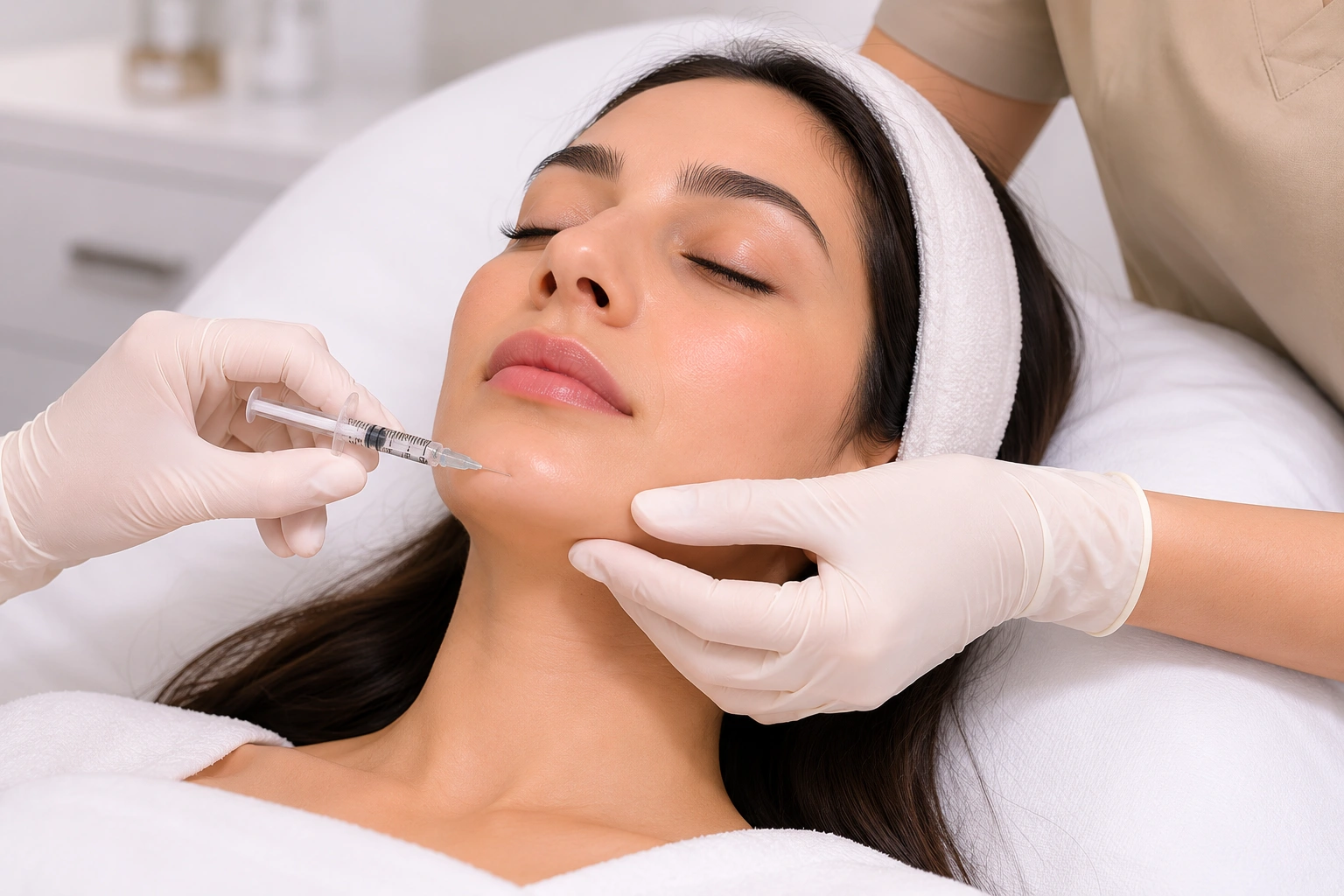
Injection lipolysis treatments use substances intended to disrupt fat cells within a carefully selected localised area.
They may be considered for a small or moderate pocket of submental fat when the skin has sufficient elasticity to adapt to the reduced volume.
The treatment normally involves multiple injections across the fat beneath the chin. Considerable swelling can occur, particularly during the first few days.
Several sessions may be required, with the final result developing gradually as the treated fat is cleared.
Possible Side Effects
Potential effects and complications include:
- Swelling and bruising.
- Pain, tenderness or burning.
- Numbness.
- Firmness or temporary lumps.
- Uneven fat reduction.
- Infection.
- Skin injury or ulceration.
- Temporary or prolonged nerve injury.
- Difficulty swallowing.
Product selection, licensing status, practitioner qualifications and suitability should be discussed clearly before treatment.
Radiofrequency Skin Tightening
Radiofrequency treatments deliver controlled heat into the tissue. The aim is to cause an immediate contraction response and stimulate longer-term collagen remodelling.
Non-invasive radiofrequency may be considered when mild laxity is more important than fat volume.
It may help improve:
- Mild looseness beneath the chin.
- Early loss of jawline definition.
- Fine or crepey skin.
- General skin firmness.
A course of treatments may be recommended. Results develop progressively and are normally subtler than those achieved with surgery or deeper minimally invasive procedures.
Morpheus8 RF Microneedling
Morpheus8 combines microneedling with radiofrequency energy. Small needles penetrate the skin and deliver heat at selected depths, triggering a controlled healing and collagen-remodelling response.
Morpheus8 may be considered when a double chin is associated with mild or moderate laxity, poor skin texture or early jowling.
It may help with:
- Mild under-chin skin laxity.
- Crepey skin.
- Early lower-face softness.
- Reduced jawline definition.
- Fine lines and uneven texture.
Morpheus8 should be described as minimally invasive rather than non-invasive because the microneedles enter the skin.
Depending on the depth and settings used, the treatment may also affect superficial fatty tissue. This requires careful planning because unwanted facial or neck fat loss can create hollowing or contour irregularities.
Recovery and Risks
Temporary redness, swelling, pinpoint marks, tenderness and bruising may occur. The skin may feel rough or sensitive for several days.
Less common but potentially serious complications include:
- Burns.
- Infection.
- Scarring.
- Changes in pigmentation.
- Track marks.
- Unwanted fat loss.
- Contour irregularities.
- Nerve injury.
Device settings should be adapted to the thickness of the skin and tissue in the treatment area. The procedure should be performed by an appropriately trained practitioner with experience in RF microneedling.
Laser-Based Skin Treatments
Laser treatments may be considered when under-chin fullness is accompanied by poor skin texture, fine lines, sun damage or mild laxity.
Different laser technologies work at different depths. Some focus on resurfacing the outer skin, while others deliver energy more deeply to stimulate collagen remodelling.
UltraClear laser treatment, for example, can be adjusted for areas including the neck and jawline. The treatment mode and intensity should be selected according to skin type, thickness, concern and acceptable downtime.
Laser treatment does not necessarily remove a significant pocket of submental fat. It may be more appropriate when skin quality or laxity is the primary concern.
Potential side effects include redness, swelling, sensitivity, peeling and temporary pigment changes. More intensive treatment can carry risks including burns, infection, prolonged redness, pigmentation changes and scarring.
FaceTite and Radiofrequency-Assisted Contouring
FaceTite is a minimally invasive radiofrequency-assisted procedure used to contract tissue and improve lower-face or neck contours.
A narrow probe is passed beneath the skin through a small entry point while an external component moves over the skin’s surface. Radiofrequency energy is delivered between the two parts, heating the deeper tissue in a controlled way.
Depending on the patient and procedure, FaceTite may be combined with the removal of localised fat.
It may be considered when there is:
- A combination of under-chin fat and loose skin.
- Moderate lower-face or neck laxity.
- Early or moderate jowling.
- Reduced jawline definition.
- A desire for a deeper treatment without undergoing a full neck lift.
FaceTite is more involved than an injectable or surface treatment. It may require local anaesthetic, small skin entry points, compression garments and a period of visible swelling or bruising.
Potential complications include burns, infection, contour irregularity, prolonged numbness, scarring and nerve injury.
Chin Filler
Chin filler does not remove submental fat. However, it may improve the appearance of a double chin when weak chin projection is making the neck look fuller.
Hyaluronic acid filler can be used to increase chin projection, improve lower-face proportions and create a clearer transition between the chin and neck.
Chin filler may be appropriate when:
- The chin is small or recessed.
- The side profile lacks balance.
- There is relatively little submental fat.
- The patient wants an immediate but temporary structural change.
The treatment adds volume, so inappropriate or excessive filler can make a heavy lower face look fuller. Careful facial assessment is therefore essential.
Jawline Filler
Jawline fillers may improve definition along the lower face and create a more visible boundary between the face and neck.
Like chin filler, jawline filler does not destroy fat or tighten substantial loose skin. It changes the surrounding structure and proportions, which may reduce the perceived severity of a double chin in selected patients.
Jawline filler may be less suitable when the lower face is already heavy, significantly lax or affected by prominent jowls.
Full-Face Profile Balancing
Sometimes the under-chin area appears out of balance because of the relationship between the nose, lips, chin, jawline and neck rather than because of one isolated fat pocket.
Full-face profile balancing considers these features together. A practitioner may use carefully selected filler treatments to improve chin projection and jawline definition while maintaining natural facial proportions.
Profile balancing cannot remove fat or excess skin. It may be useful when facial structure is the main reason the under-chin area appears prominent.
Liposuction
Submental liposuction surgically removes fat through a small cannula. It may produce a more noticeable and predictable fat reduction than many non-surgical options.
It is generally most suitable when:
- There is a defined pocket of submental fat.
- The skin retains enough elasticity to contract after treatment.
- The patient accepts surgical risks and recovery.
Liposuction does not necessarily correct significant loose skin. In some patients it may need to be combined with a skin-tightening procedure or neck lift.
Neck Lift or Lower-Face Surgery
A neck lift may be the most appropriate option when advanced skin laxity, muscle changes or substantial tissue descent are present.
Surgery can remove excess skin, address deeper tissues and create a stronger lifting effect than non-surgical treatment. However, it also involves greater cost, recovery, scarring and medical risk.
A reputable non-surgical practitioner should recommend a surgical opinion when less invasive treatments are unlikely to achieve the desired result.
How to Choose the Right Double-Chin Treatment
The right treatment depends on the cause of the fullness rather than simply how noticeable it appears.
| Main concern | Treatments that may be considered | Important limitation |
|---|---|---|
| Localised fat | Cryolipolysis, fat-dissolving injections or liposuction | Fat reduction may not tighten loose skin |
| Mild skin laxity | Radiofrequency, RF microneedling or selected laser treatments | Results are gradual and usually moderate |
| Fat and laxity | Combined treatments or minimally invasive RF-assisted contouring | Requires careful sequencing and recovery planning |
| Recessed chin | Chin filler or surgical chin augmentation | Improves proportions but does not remove fat |
| Undefined jawline | Jawline filler or a wider profile-balancing plan | Adding filler may not suit a heavy lower face |
| Advanced loose skin | Neck lift or lower-face surgery | Requires surgery and a longer recovery |
When the Main Issue Is Fat
If the under-chin area contains a soft, pinchable pocket of fat and the skin remains reasonably firm, a fat-reduction treatment may be appropriate.
The changes will usually be gradual with non-surgical treatments. Several sessions may be required, and complete removal of the fat should not be expected.
When the Main Issue Is Loose Skin
If the area feels thin, folds easily or hangs without a substantial fat layer, skin tightening may be more relevant than fat reduction.
Reducing fat from an already loose area could make the skin appear more lax. The practitioner should assess whether the skin is likely to contract sufficiently before recommending treatment.
When Both Fat and Skin Laxity Are Present
Many patients have both submental fat and loose skin. A combined or staged approach may therefore be required.
For example, a practitioner may first reduce the fat and then assess whether skin tightening is still needed. Alternatively, a procedure designed to address both concerns may be considered.
More treatments do not automatically produce a better outcome. The timing, intensity and interaction between procedures should be planned carefully.
When Facial Structure Is the Main Issue
A small chin or undefined jaw may make the neck look fuller even when relatively little fat is present.
In this situation, structural enhancement may create a more balanced profile without treating the under-chin tissue directly.
Why Your Consultation Matters
A proper assessment is essential because visually similar double chins may have very different causes.
During a consultation, your practitioner should assess:
- The amount and depth of submental fat.
- Skin thickness and elasticity.
- Chin projection.
- Jawline shape and definition.
- Jowling and lower-face heaviness.
- Neck-muscle activity.
- Facial asymmetry.
- Your general weight stability.
- Previous aesthetic or surgical treatments.
- Your medical history and medication.
- Your expectations and preferred level of downtime.
Our guide explaining what happens during a professional skin consultation can help you prepare for your appointment.
A good practitioner should explain what is causing the fullness, how the recommended treatment addresses it and what the procedure cannot achieve.
What Results Can You Expect?
Results depend on the treatment selected and the underlying cause of the double chin.
Fat-reduction treatments may create a smaller and lighter-looking under-chin area. Skin-tightening treatments may improve firmness and the transition between the jaw and neck. Fillers may improve proportions and definition without reducing tissue.
Most non-surgical fat-reduction and collagen-stimulating treatments work gradually. Final results may take several weeks or months to develop.
The aim should be a natural-looking improvement that suits your facial structure. No practitioner should guarantee the complete disappearance of a double chin or an unnaturally sharp jawline.
How Long Do Double-Chin Treatment Results Last?
Longevity depends on the treatment.
- Fat-reduction treatments:
The reduction in treated fat cells may be long-lasting, but remaining cells can enlarge if you gain weight. - Skin-tightening treatments:
Collagen-related improvements may last for months or years, but ageing continues and maintenance may eventually be considered. - Chin and jawline fillers:
Results are temporary because hyaluronic acid is gradually broken down by the body. - Surgery:
Surgical results may be long-lasting, but they do not permanently stop ageing or future weight changes.
How to Maintain Your Results
The following habits may help protect the appearance of your result:
- Maintain a reasonably stable weight.
- Use broad-spectrum sunscreen regularly.
- Avoid smoking.
- Follow a consistent skincare routine.
- Attend recommended review appointments.
- Follow all treatment-specific aftercare instructions.
- Avoid booking unnecessary maintenance before the final result has developed.
Maintenance should be based on a professional reassessment rather than a fixed timetable. Some patients may need occasional treatment, while others remain satisfied without regular top-ups.
Questions to Ask Before Double-Chin Treatment
Before agreeing to treatment, consider asking:
- Is my double chin caused mainly by fat, loose skin or facial structure?
- Will the proposed treatment remove fat, tighten skin or change my profile?
- What degree of improvement is realistic?
- How many sessions might I need?
- When will the final result be visible?
- What downtime should I expect?
- What are the common and serious risks?
- Could fat reduction make my loose skin look worse?
- Would chin or jawline filler improve my proportions?
- Would surgery provide a more appropriate result?
- Who will perform the treatment?
- What support is available if I develop a complication?
Book a Double-Chin Consultation at Amedics
If you are wondering how to get rid of a double chin, the first step is identifying what is causing it.
Your concern may be related to localised fat, loose skin, a recessed chin, reduced jawline definition, ageing changes or several of these factors together. Each cause requires a different treatment approach.
At Amedics, we assess the chin, jawline, lower face and neck before recommending treatment. This allows us to develop a personalised plan focused on balanced, natural-looking results rather than applying the same procedure to every patient.
Following your assessment, we can explain the treatments that may be suitable, the likely recovery, the potential risks and the degree of improvement you can realistically expect.
Final Thoughts
A double chin is not always caused by weight gain. Genetics, skin laxity, facial ageing, chin projection and jawline structure can all influence the appearance of the under-chin area.
Localised fat may respond to cryolipolysis, injection lipolysis or liposuction. Mild skin laxity may improve with radiofrequency, RF microneedling or laser treatment. A recessed chin or undefined jawline may benefit from carefully planned structural enhancement.
When both fat and loose skin are present, a combined or deeper minimally invasive procedure may be required. Advanced laxity may be treated more predictably with surgery.
The most appropriate treatment is the one that addresses the actual cause of the concern. A detailed consultation is therefore essential before choosing any procedure.
This article is provided for general educational purposes and is not a substitute for personalised medical advice. Treatment suitability, results, recovery, risks and longevity vary between patients.


