


Dermal fillers are one of the most popular non-surgical aesthetic treatments available, mainly preferred offering natural-looking facial rejuvenation with minimal downtime. However, one of the challenges with dermal fillers is that they require time to settle to deliver the best results and most people considering fillers often wonder how long it takes for the filler to settle.
While results are often visible immediately, fillers do not reach their final appearance straight away. Understanding the settling process helps you better manage expectations, reduces anxiety, and ensures you get the best possible outcome from your treatment at Amedics Clinic.
This guide explains what fillers are, how they work, why settling time is important, and what you can do to support optimal results.
What Are Fillers?
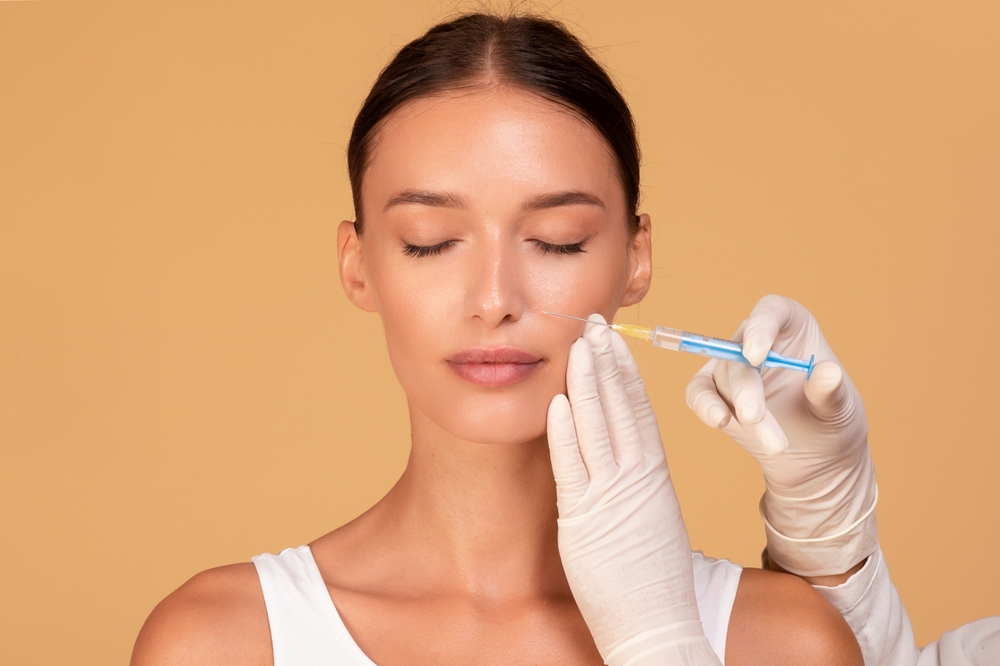
Dermal fillers are injectable treatments used to restore volume, smooth wrinkles, enhance facial contours, and improve overall skin appearance. They are carefully placed beneath the skin to support facial structures, hydrate tissues, or stimulate collagen production.
Modern fillers are designed to integrate naturally with your skin, creating subtle enhancements rather than dramatic changes when administered by experienced medical professionals.
Types of Fillers
Not all fillers are the same. Their composition, depth of injection, and longevity all influence how long they take to settle.
Superficial Injections
Superficial fillers are placed in the upper layers of the skin to smooth fine lines, improve texture, and boost hydration. These tend to settle more quickly but may show temporary swelling or unevenness initially.
Deep Injections
Deep injections are placed closer to bone or deeper tissue layers to restore volume and structure. These fillers often take longer to fully settle as they integrate with deeper tissues.
Temporary Dermal Fillers
Temporary fillers, most commonly made from hyaluronic acid (HA), are the most widely used. They are naturally broken down by the body over time and typically settle within days to weeks.
Slowly Absorbable Fillers
Slowly absorbable fillers stimulate collagen production and provide longer-lasting results. Because they work gradually, the settling process can take several weeks.
Semi-Permanent or Permanent Fillers
These fillers are designed to last much longer but are used far less frequently due to higher risk and reduced flexibility. Settling time can be extended, and careful patient selection is essential.
What Do Fillers Treat?
Dermal fillers are extremely versatile and can be used to address a wide range of aesthetic concerns, including:
- Fine lines and wrinkles
- Volume loss in the cheeks or temples
- Tear trough hollowness
- Nasolabial folds and marionette lines
- Lip enhancement and definition
- Jawline and chin contouring
- Facial asymmetry
Each treatment area has its own settling timeline due to differences in movement, blood supply, and skin thickness.
Why Do Your Fillers Need Time to Settle?
Immediately after treatment, fillers may appear slightly swollen, firm, or uneven. This is completely normal and there is no need for concern. The settling period allows:
- Swelling to subside
- Filler to integrate with surrounding tissue
- Skin to adapt to restored volume
- The final shape and softness to develop
Rushing to judge results too early can lead to unnecessary worry. Final results are best assessed once the filler has fully settled.
Factors That Control Settling Speed
Various factors influence how long it takes for dermal fillers to settle. The exact settling time required depends on the following:
Filler Viscosity
Thicker, more viscous fillers that are used for structure and contouring take longer to soften and integrate than lighter fillers used for fine lines or lips.
Injection Depth
Deeper injections generally require more time to settle compared to superficial placements, as the filler must adapt within denser tissue layers.
Vascular Supply
Areas with higher blood supply, such as the lips, tend to swell more initially but may also heal faster. Poor circulation can slow the settling process and prolong the appearance of full results.
Individual Metabolism
Everyone metabolises fillers differently. A faster metabolism may break down fillers more quickly, while others retain results for longer.
Area of Treatment
High-movement areas like the lips and mouth often take longer to settle than low-movement areas such as cheeks or jawline.

Variation in Settling Time by Filler Type
Fillers come in various forms and compositions which affect their settling types. Some of the commonly used filler types and their settling periods include the following:
Hyaluronic Acid Fillers
Hyaluronic acid fillers are the most common and also have the shortest settling time. The initial swelling stage takes up to 7 days while full integration takes up to 4 weeks. You should know that hyaluronic acid fillers attract water, which can temporarily exaggerate volume before settling naturally.
Collagen Stimulators
Fillers such as Sculptra stimulate the body’s natural collagen production rather than adding immediate volume. Settling and results develop gradually over 6–12 weeks, with improvements continuing over time.
Calcium Hydroxylapatite Fillers
These fillers provide both immediate volume and long-term collagen stimulation. Initial settling usually occurs within 1–2 weeks, but continued improvement will last over several months.
Filler Formulations
Different brands and formulations vary in particle size, cross-linking, and flexibility. All these are factors which affect settling time and final appearance.
Innovative Technologies
Newer filler technologies are designed to integrate more smoothly with tissue, reducing swelling and shortening settling times while improving comfort and natural movement compared to older creations.
Typical Filler Settling Process and Timeline
While individual experiences vary, and the above mentioned factors may still apply, a general filler settling timeline looks like this:
- Day 1–3: Swelling, tenderness, and firmness are common
- Day 4–7: Swelling begins to reduce, shape starts to refine
- Week 2: Fillers feel softer and look more natural
- Week 3–4: Final results become visible
For collagen-stimulating fillers, the results continue to improve for several months even after the filler has already settled.
How You Can Help Ensure Your Fillers Settle Correctly
Filler settling is not just about the types of filler and the expertise of the clinician. You also have a role to play in ensuring your filler settles correctly and you get the anticipated results. Below are some of the ways you can ensure your filler settles correctly:
Follow Aftercare Instructions
Your practitioner will provide tailored aftercare advice, which may include avoiding makeup, exercise, or alcohol for a short period. It is crucial that you follow all of these aftercare instructions to ensure the filler settles correctly.
Avoid Excessive Touching or Massage
Unless specifically advised otherwise by your practitioner, you should avoid pressing or massaging the treated area even though you may feel some tingling and discomfort. This can displace filler before it settles.
Manage Swelling Properly
Cold compresses can help reduce swelling in the first 24–48 hours. However, you should follow any guidance provided by your specialist on managing swelling.
Stay Hydrated
Hyaluronic acid fillers rely on hydration to integrate properly, so drinking enough water supports better results. You may notice increased volume the first few days but it will all settle down over time.
Avoid Heat and Sun Exposure
Excessive heat such as saunas or sunbeds can increase swelling and delay healing during the early settling phase. It’s best to avoid heat and sun exposure to help with filler settling.
Attend Your Review Appointment
A follow-up appointment allows your practitioner to assess results, answer concerns, and make minor adjustments if needed and to ensure the final results reflect your expectations.
When Should You Be Concerned?
Mild swelling, bruising, and firmness are all normal parts of the process and generally fillers are well tolerated. However, in isolated cases, you may need to schedule a visit with your practitioner if you experience any of the following:
- Increasing pain
- Severe or worsening swelling
- Colour changes to the skin
- Signs of infection
Final Thoughts
Dermal fillers offer beautiful, natural-looking results, but patience is key. While you may notice immediate improvements, fillers typically take up to four weeks to fully settle, with some treatments continuing to improve beyond that timeframe.
Understanding the settling process helps you feel confident, informed, and reassured throughout your aesthetic journey. A personalised consultation and expert aftercare at Amedics Clinic ensure your filler treatment delivers safe, balanced, and long-lasting results.
Also read: Can I Use Vaseline After Lip Filler?


