


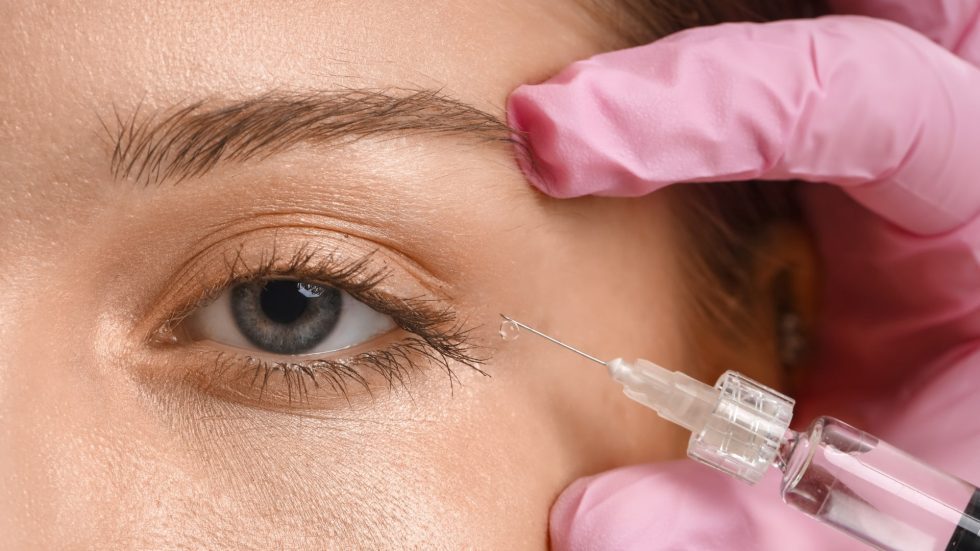
There’s a solid reason why polynucleotides are taking over the UK aesthetic industry. Instead of merely covering up skin problems, these natural, regenerative treatments aid in their internal rejuvenation. However, they act gradually, in contrast to quick fixes like Botox or fillers. This leads us to the crucial question: How long do polynucleotides take to work? Let us look into it.
What Are Polynucleotides and How Do They Work?
Fish DNA is the source of biocompatible chemicals called polynucleotides, which promote the skin’s natural healing process. After injection, they decrease oxidative stress and inflammation while promoting the formation of collagen and elastin, increasing skin suppleness, and hydrating the skin.
They revitalise your skin from the inside out instead than adding volume like fillers do. Because polynucleotides concentrate on regeneration rather than merely short-term improvement, this is precisely why polynucleotides take long to work?
When Does Polynucleotide Start to Kick In?
- In 7 to 10 days, the majority of people begin to notice little changes like glow and moisture.
- Usually, by week three or four, noticeable changes in skin tone, elasticity, and texture are evident.
- Particularly after finishing a full course of sessions, significant results can be seen between six and eight weeks later.
Why Does Polynucleotide Take So Long to Work?
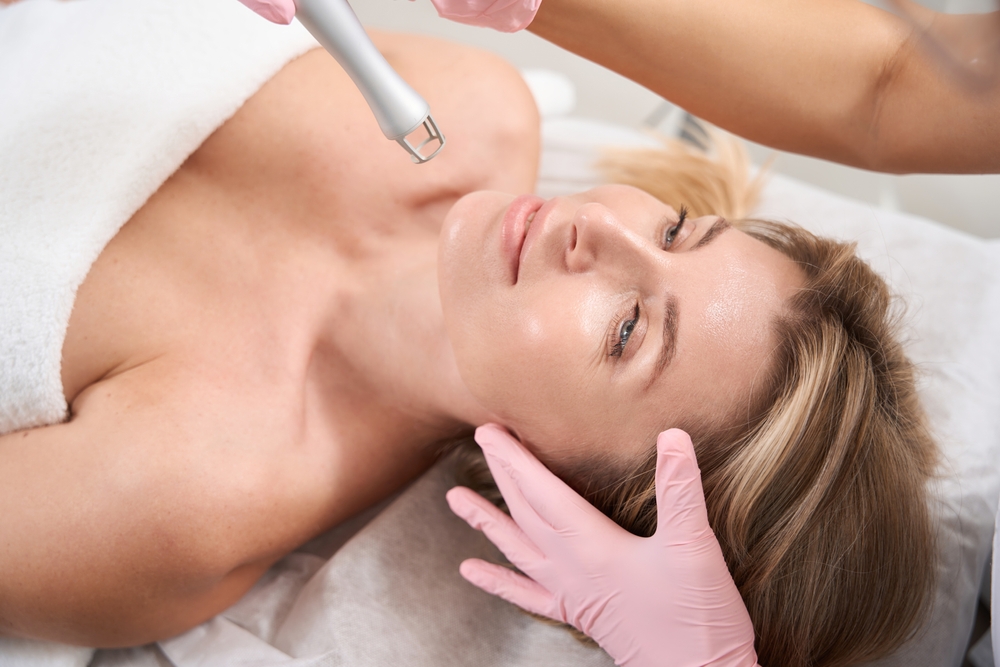
If you’re accustomed to procedures like Botox or fillers, you may be wondering why polynucleotide takes so long to start working. The reason is in the way it works. Polynucleotides do not provide immediate benefits; rather, they initiate the natural healing and regeneration process of your skin. Over time, they improve tissue quality, boost collagen synthesis, and activate fibroblasts.
This treatment rebuilds and repairs at the cellular level rather than just on the surface. After a few weeks, the improvements become more apparent, and they peak between six and eight weeks later. Even though it might seem like a long wait, the result is more durable, more natural, and well worth the wait.
Factors That Affect How Long Polynucleotides Take to Work
How long it takes for polynucleotides to start working on your skin depends on a number of factors:
- Skin condition: Results are faster for hydration but take longer for acne scars or sagging skin.
- Age: Because of a higher rate of cell turnover, younger skin may react more quickly.
- Aftercare: Adhering to post-treatment instructions, such as avoiding the sun and drinking enough of water, helps.
- Lifestyle: Stress, smoking, and eating poorly can all hinder your body’s ability to heal.
Tips to Maximise Results
Despite the fact that polynucleotide treatments usually require time to fully manifest their effects, there are a few strategies to improve your skin and maximise results each session:
Stay Hydrated
Drinking enough water helps your skin heal and enhances the treatment’s glow.
Avoid Sun Exposure
Use SPF daily to protect your skin as it is more sensitive after treatment.
Keep skincare gentle
Skip retinols or exfoliants for a few days. And stick to mild, hydrating products for a few days.
No Intense Workouts for 1–2 Days
Give your skin time to settle. Wait 24–48 hours to avoid swelling.
Avoid Alcohol and Smoking
These can slow down collagen production, making it tough to see results.
Final Thoughts
It is well worth the wait if you are seeking a long-term, natural skin remedy. Yes, polynucleotides may take longer to act than you would want, but the effects are subtle and highly restorative.


