


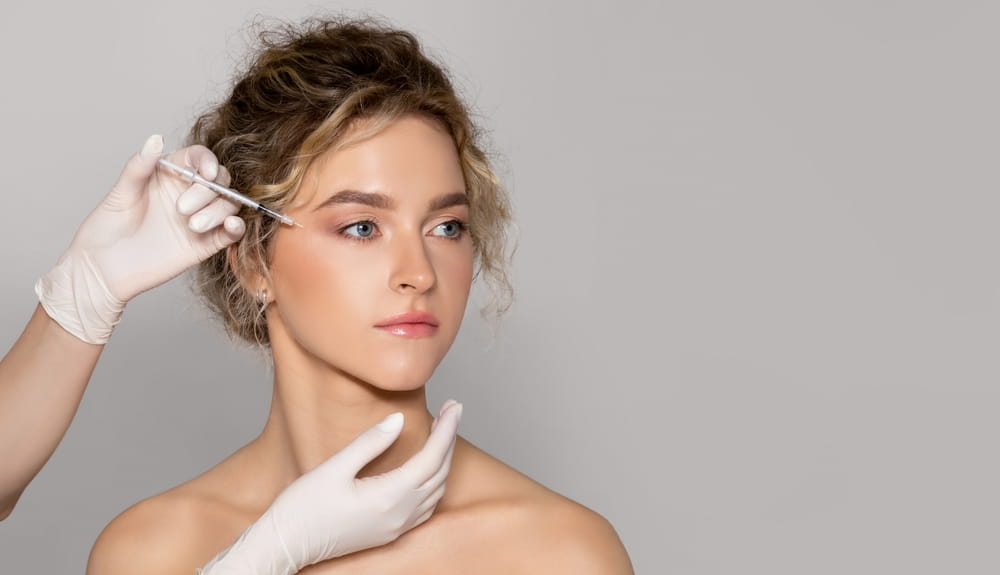
Botox is a highly effective, minimally invasive cosmetic treatment that softens fine lines and wrinkles by relaxing targeted facial muscles. While the procedure itself is quick, what happens afterward plays a crucial role in determining how well your results develop.
One of the most common post-treatment questions patients ask is about sleeping positions, particularly whether it is safe to sleep on their side.
Also read: Can You Fly After Botox?
Sleep is essential for healing, but the position you sleep in during the hours following Botox can influence how the product settles, how evenly it works, and whether side effects such as swelling or bruising are minimised. Understanding why sleep position matters, how long to wait before sleeping on your side, and which positions to avoid can help you protect your results and ensure a smooth recovery.
Why Sleep Position Matters After Botox
After Botox injections, the product needs time to bind to nerve endings and settle into the intended muscles. During the first several hours, Botox remains susceptible to external pressure and movement. Sleeping positions that place pressure on the treated areas can interfere with this settling process.
Your face comes into contact with pillows, bedding, and mattresses while you sleep, which can cause compression, friction, or prolonged pressure. These factors may increase the risk of Botox migrating away from the injection site, leading to uneven or less effective results. That is why practitioners emphasise correct sleep positioning as part of proper Botox aftercare.
How Long After Botox Can I Sleep On My Side?
The timeline for safely sleeping on your side after Botox depends on how much time has passed since treatment and how your body responds.
First 4–6 Hours
The first four to six hours after Botox are considered the most critical. During this period, patients are advised to remain upright and avoid lying down altogether. This includes avoiding side, back, or reclining positions on sofas or beds.
Staying upright during these hours reduces the risk that Botox will shift under the influence of gravity or pressure. Side sleeping during this early window can compress one side of the face, increasing the likelihood of uneven distribution of the product. For best results, patients should sit, stand, or walk gently during this time.
The First Night
Sleeping on your side during the first night after Botox is generally not recommended. Even though the product has begun to settle, it may not yet be fully stabilised. Side sleeping can place prolonged pressure on treated areas, such as the forehead, temples, or the area around the eyes.
During sleep, people often move unconsciously, which can worsen pressure on the face. For this reason, practitioners usually advise sleeping on your back with your head elevated on the first night to minimise any risk of migration, swelling, or bruising.
After 24 Hours
After 24 hours, Botox is typically well settled into the targeted muscles. At this point, most patients can safely return to their normal sleeping positions, including sleeping on their side. However, some individuals may still experience mild tenderness or swelling, and it may be more comfortable to continue back sleeping for another night or two.
If you are prone to bruising or have had multiple injection sites, your practitioner may recommend waiting slightly longer before resuming side sleeping.
Potential Risks of Sleeping On Your Side Too Early
Sleeping on your side too soon after Botox can increase the risk of specific unwanted outcomes.
Product Migration
One of the primary concerns with early side sleeping is product migration. Pressure from pillows can push Botox away from its intended location, potentially affecting nearby muscles. This can reduce treatment effectiveness or cause unexpected results, such as drooping or uneven muscle relaxation.
While migration is uncommon when aftercare advice is followed, sleeping on your side too early unnecessarily increases this risk.
Asymmetry
Asymmetry can occur if Botox settles unevenly due to pressure on one side of the face. Side sleeping may result in one side receiving more compression than the other, leading to imbalanced results. This may affect facial symmetry, particularly in areas like the eyebrows or forehead. Correct sleep positioning helps ensure that Botox works evenly across treated areas.
Bruising or Swelling
Pressure on injection sites can worsen bruising or prolong swelling. Sleeping on your side puts direct pressure on your face and the pillow, which can irritate sensitive areas and slow healing. In some cases, this may lead to more noticeable bruises that take longer to fade.
Why Staying Upright Matters After Botox
Remaining upright after Botox is one of the most important aftercare recommendations. Gravity affects how Botox settles, and staying upright helps prevent it from spreading into unintended areas.
Upright positioning also reduces blood pooling in the face, which can help minimise swelling and bruising. Gentle movement, such as light walking, encourages healthy circulation without disturbing the injection sites. Avoiding lying down during the initial hours gives Botox the best chance to work exactly as intended.
Why Back Sleeping Is the Best After Botox
Sleeping on your back is widely regarded as the safest and most effective sleep position after Botox treatment.
Reduced Direct Pressure Risks
Back sleeping eliminates direct pressure on the face, helping protect injection sites and reducing the likelihood of product migration. By keeping your face free from contact with pillows, you allow Botox to settle symmetrically and securely.
This position also supports even blood flow and reduces facial congestion overnight.
Pillow Support for Back Sleeping
For patients who are not used to sleeping on their back, additional pillow support can make the position more comfortable. Using a pillow under the knees can reduce lower back strain, while a supportive pillow under the head and neck keeps the spine aligned.
Some patients also use travel pillows or wedge pillows to prevent rolling onto their side during sleep. Elevating the head slightly can further reduce swelling and enhance comfort.
Also read: Can I Put Makeup On After Botox?
What Other Sleeping Positions Should You Avoid After Botox?
Certain sleeping positions should be avoided in the first 24 hours following Botox treatment to protect the outcome and results. These include:
Sleeping on Your Stomach
Sleeping on your stomach can place significant pressure on your face and neck. This position can compress multiple injection sites simultaneously and increase the risk of Botox migration. It may also worsen swelling and cause discomfort in treated areas.
Stomach sleeping is best avoided entirely during the initial recovery period.
Sleeping on Your Side
As discussed earlier, side sleeping places uneven pressure on the face. While it becomes safer after 24 hours, it is best avoided during the first night to protect your results. Patients who habitually sleep on their side should take extra care to remain on their back initially.
Lying Down Without Any Elevation
Lying flat without head elevation can increase blood flow to the face, potentially worsening swelling or bruising. Elevating the head slightly with pillows helps reduce fluid accumulation and promotes a smoother recovery.

How to Train Yourself to Sleep on Your Back After Botox
If you find back sleeping challenging, there are practical steps you can take to make it easier. Creating a supportive sleep environment with the right pillows can help maintain the position throughout the night. Placing pillows along your sides can discourage rolling over unconsciously.
Relaxation techniques, such as deep breathing before bed, may also help you fall asleep more comfortably on your back. Even one night of back sleeping can make a meaningful difference in protecting your Botox results.
How Long Until Botox Fully Settles?
Botox typically begins to take effect within three to five days, with full results visible around 10 to 14 days after treatment. While sleep position matters most during the first 24 hours, ongoing gentle care during the first week supports optimal outcomes.
Avoiding excessive pressure, heat exposure, and intense physical activity during this time helps ensure long-lasting and natural-looking results.
When to Contact Your Practitioner
If you notice unusual swelling, increasing pain, significant asymmetry, or unexpected muscle weakness after Botox, it is important to contact your practitioner. While mild side effects are normal, persistent or worsening symptoms should be professionally assessed. Your practitioner can determine whether any adjustments or reassurance are needed.
Final Thoughts
So, how long after Botox can you sleep on your side? In most cases, it is best to avoid side sleeping for at least 24 hours after treatment. Staying upright for the first four to six hours and sleeping on your back with gentle head elevation during the first night provides the safest environment for Botox to settle properly.
By following recommended sleep guidelines and aftercare advice, you can protect your results, minimise side effects, and enjoy smoother, more predictable outcomes from your Botox treatment.
Also read: Can You Shower After Botox?


