


Any spots appearing on your skin can be a cause for alarm. Even though some spots, such as brown spots, turn out to be harmless, they can still have a significant impact on your appearance and confidence.
Brown spots are notoriously difficult to get rid of, especially after they have spread. Treating them requires a careful approach, particularly because they are not all the same. Effective treatment for brown spots and hyperpigmentation takes a multi-pronged approach that begins with assessing the spots to determine the best treatment method.
What Are Brown Spots?
Brown spots are pigmented areas on the skin. They are caused by melanocytes becoming overactive, leading to the development of darker patches or spots. The colour of the spots may vary, ranging from light brown to tan, grey-brown or deeper brown. The colour variation depends on your skin and the cause of the spots.
There are different types of brown spots, and understanding the differences is an important starting point. The common types include:
Sun Spots or Age Spots
These are also known as solar lentigines and often appear on areas that have had years of sun exposure, such as the face, hands, chest and shoulders. These spots typically have well-defined edges and become more common with age. You can learn more about how to manage age spots and protect your skin from further pigmentation.
Melasma
These appear as larger patches of brown or grey-brown pigmentation, often on the cheeks, forehead, upper lip or jawline. Like sun spots, they can be triggered by sun exposure, as well as hormones and heat.
Post-Inflammatory Hyperpigmentation
These spots can appear after acne, eczema, insect bites, burns, waxing, picking or irritation. The skin leaves behind a brown mark even after the original problem has healed. Similar marks may also be associated with acne scarring, and you can read more about how to get rid of spot scars.
Freckles
Freckles are small brown marks that often become darker with sun exposure. They are usually harmless, but they can blend with other pigmentation, making the skin tone look uneven.
Because the underlying causes of brown spots differ, the best treatment also varies depending on the type of spots you have and what is causing them. This is why, at Amedics, we always begin with a skincare consultation and assessment to advise you on the best next steps.
Why Do Brown Spots Appear?
Brown spots can have various triggers, ranging from genetics to lifestyle factors such as sun exposure. Other factors include:
Sun Exposure
Sun exposure is one of the biggest causes of brown spots. UV rays from the sun stimulate melanin production and damage the skin over time. Even if you do not burn, repeated sun exposure can lead to pigmentation.
This is why brown spots often appear on the face, backs of the hands, chest and shoulders, which are the areas most exposed to the sun.
Hormonal Changes
Hormonal changes can also trigger a type of brown spot called melasma, especially during pregnancy, while taking certain contraceptive pills or during other hormonal shifts.
Skin Inflammation
When the skin becomes inflamed, it can produce extra pigment as part of the healing process. This commonly happens after conditions such as acne.
Ageing
As the skin ages, the effects of years of sun exposure can become more visible. Brown spots may appear even if you were not particularly sun-conscious when you were younger. Ageing also affects skin turnover, meaning pigment may remain in the skin for longer.
Genetics and Skin Type
Some people are simply more prone to pigmentation. Your skin tone, family history and natural melanin activity can all affect your risk of developing brown spots.
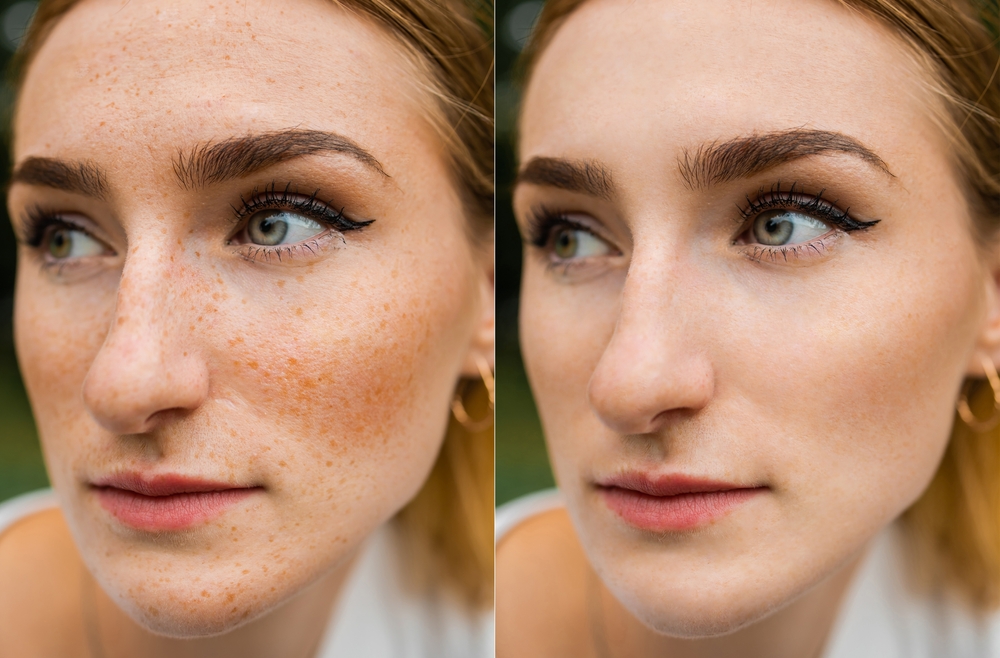
Best Treatments for Brown Spots
Various treatments can be used to manage brown spots, and each is best suited to a specific concern and cause.
Laser Treatments for Brown Spots
Laser treatments can be very effective for brown spots, such as sun spots and some types of pigmentation caused by excess melanin in the upper layers of the skin.
Lasers work by targeting pigment in the skin and breaking it into smaller particles, which the body then gradually clears. The treated spots may darken at first and then flake, fade or lift over time.
Laser treatment may help with:
- Sun spots
- Uneven pigmentation
- Photoageing
- Pigmentation on the face, hands or chest
UltraClear Laser for Pigmentation and Skin Quality
UltraClear laser treatment may be used to improve pigmentation, texture and overall skin quality in suitable patients. It can support skin renewal while helping to reduce the appearance of certain brown marks and sun-damaged skin.
UltraClear may be the best treatment option if the spots are accompanied by other skin concerns, such as dullness, rough texture, fine lines or uneven tone.
It may help with:
- Surface pigmentation
- Sun-damaged skin
- Texture concerns
Chemical Peels for Brown Spots
Chemical peels help exfoliate the skin and encourage renewal. They can be helpful for uneven tone, post-inflammatory pigmentation, dullness and some surface-level brown marks.
Peels vary in strength depending on the issue being addressed. A light peel may refresh the skin with minimal downtime, while a deeper peel can cause more visible peeling and require a longer recovery period.
Chemical peels may help with:
- Post-acne marks
- Uneven skin tone
- Dull skin
- Mild sun damage
Treating Melasma: A Different Approach
Melasma requires special care because it behaves differently from ordinary sun spots. The best plan usually focuses on controlling the spots rather than removing them. A broad approach may include:
- Strict Sun Protection
Daily SPF is essential, and tinted sunscreens containing iron oxides may be helpful, as visible light can worsen melasma.
- Pigment-Control Skincare
Ingredients such as azelaic acid, retinoids, tranexamic acid or prescription creams may be recommended. A personalised Obagi Medical skincare plan may also be considered for concerns such as hyperpigmentation, ageing and sun damage.
- Gentle Peels
Some peels may help, but they must be chosen carefully to avoid irritation.
- Careful Use of Devices
Lasers and IPL are not always the first-choice treatments for melasma because heat can trigger worsening in some people.
Melasma can improve, but it often requires maintenance. The aim is to reduce the appearance of pigmentation and keep flare-ups under control.

How to Choose the Best Treatment for You
The best treatment for brown spots depends on the type of pigmentation you have, along with other factors such as your age, the extent of the spots and whether you have any other skin concerns. Some of the factors to consider when choosing the right treatment include:
If You Have Defined Sun Spots
Laser or IPL may be effective if the marks are suitable and your skin type allows it.
If You Have Post-Acne Pigmentation
Medical skincare, peels and gentle laser options may be considered, depending on your skin.
If You Have Melasma
A careful skincare-led plan is usually the safest approach, combined with strict sun protection and cautious use of in-clinic treatments.
If You Have Mixed Pigmentation
A combination plan may be best. This might include skincare, SPF, peels and laser treatment.
If a Mark Is Changing
It should be checked before any cosmetic treatment is considered.
A consultation is critical in determining the right treatment for you. A practitioner will assess your pigmentation, consider your skin type and recommend a plan that suits your skin rather than guessing. Learn more about what happens during a skin consultation before arranging your appointment.
Final Thoughts
If brown spots are making your skin look uneven, dull or older than you feel, a consultation at Amedics can help you understand your options. With the right treatment plan and daily protection, it is possible to achieve a clearer, brighter and more even-looking complexion.


